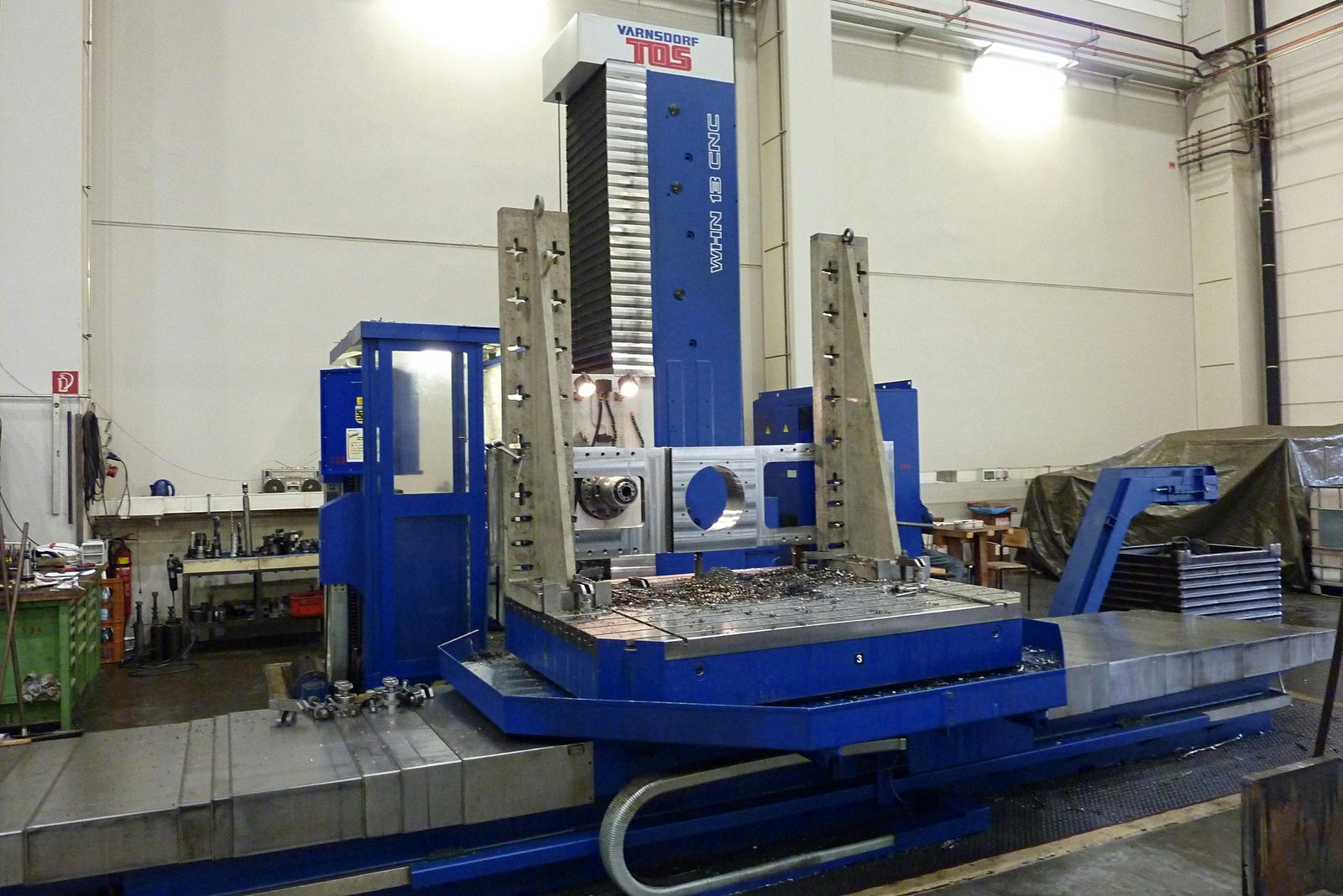
What is a boring mill?
Why machine several sides in one setup? Explore how a boring mill works, the differences between its main types and the features that guide machine selection.
Read the guideFollow a component from raw steel to finished assembly. Explore the processes, equipment and skilled trades behind our work in Lorch, alongside company news and events.
Why machine several sides in one setup? Explore how a boring mill works, the differences between its main types and the features that guide machine selection.
Read the guide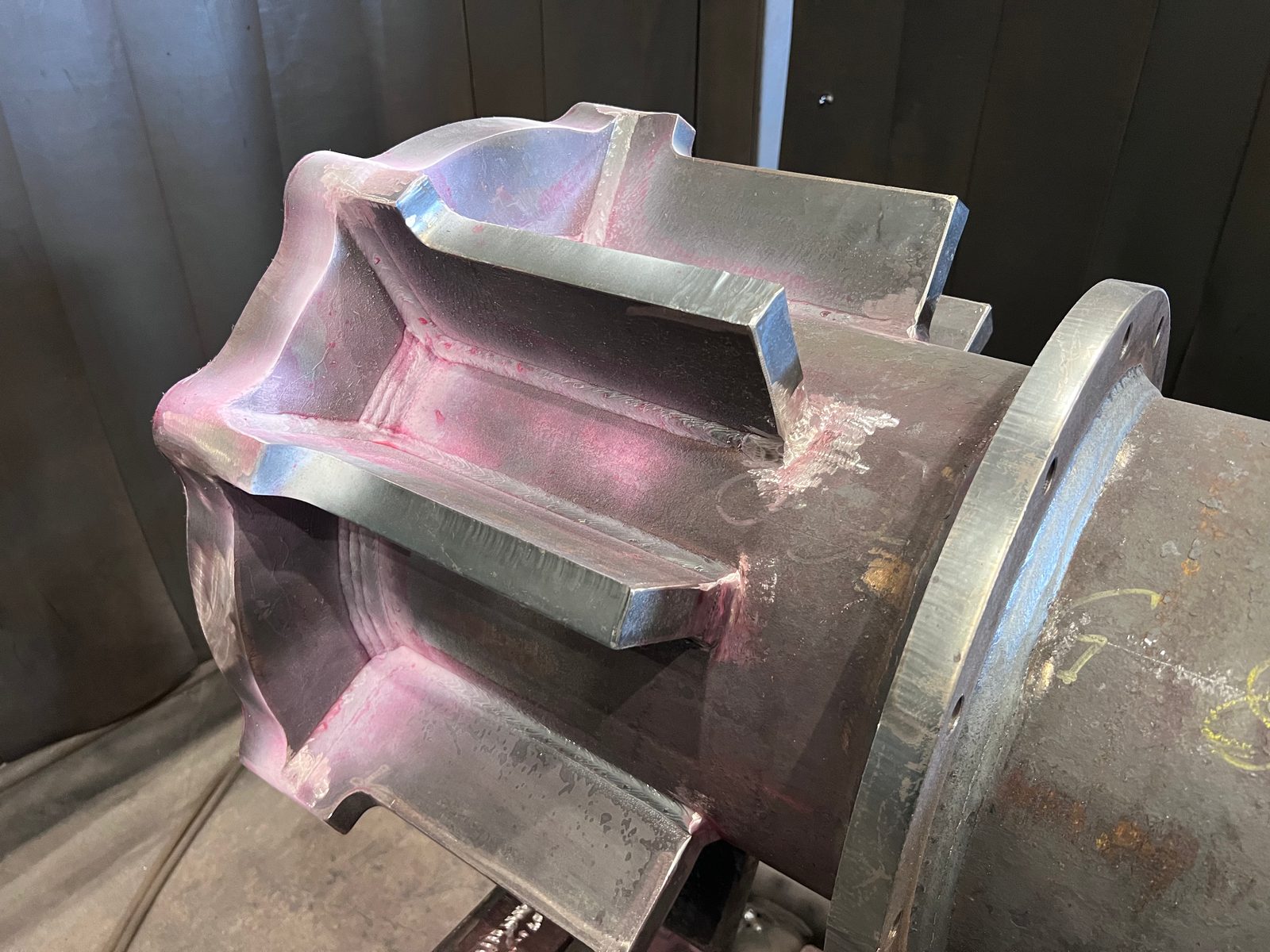
A surface crack and an internal flaw need different tests. Compare VT, PT, MT, ET, UT and RT, and learn what a useful inspection specification must include.
Compare testing methods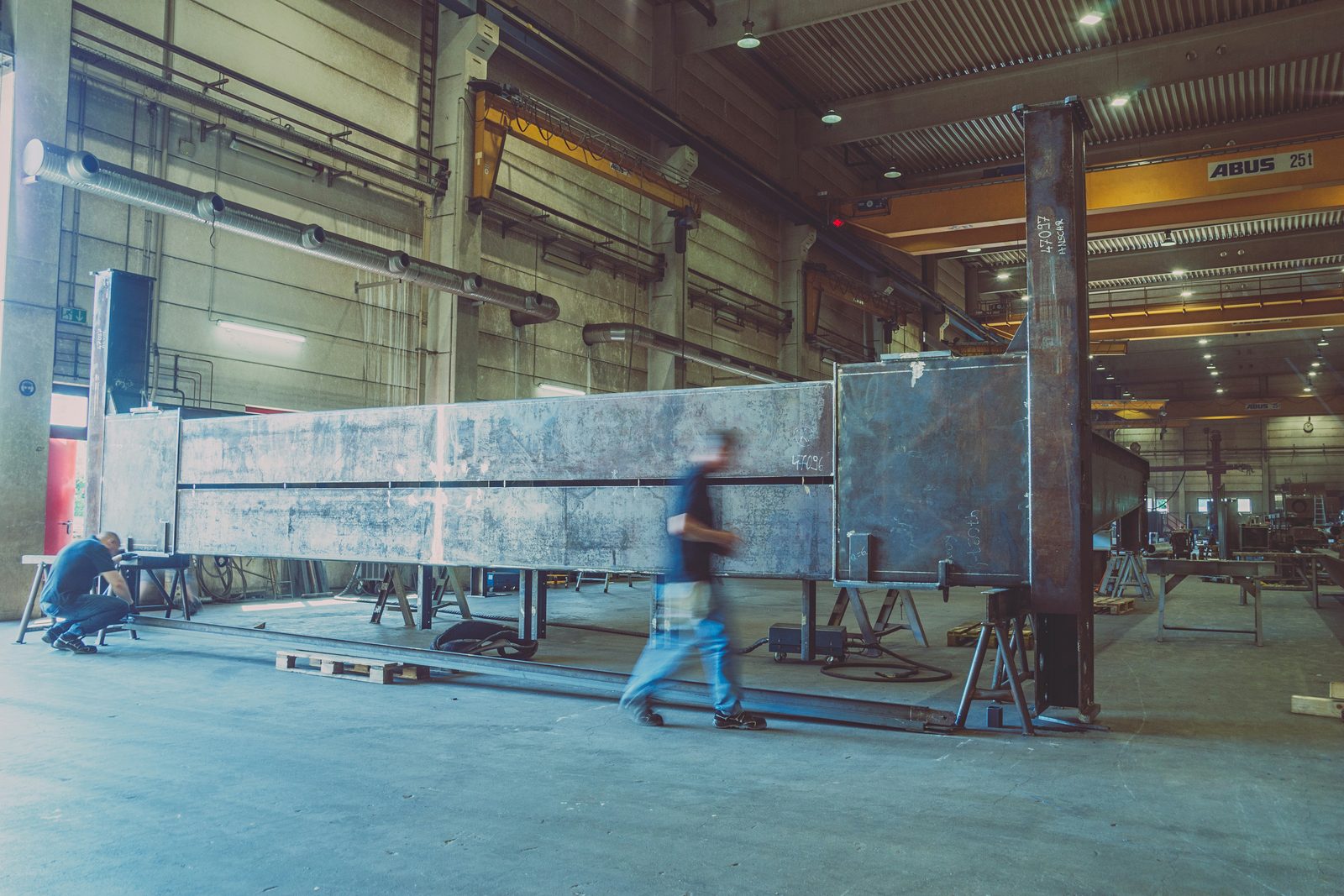
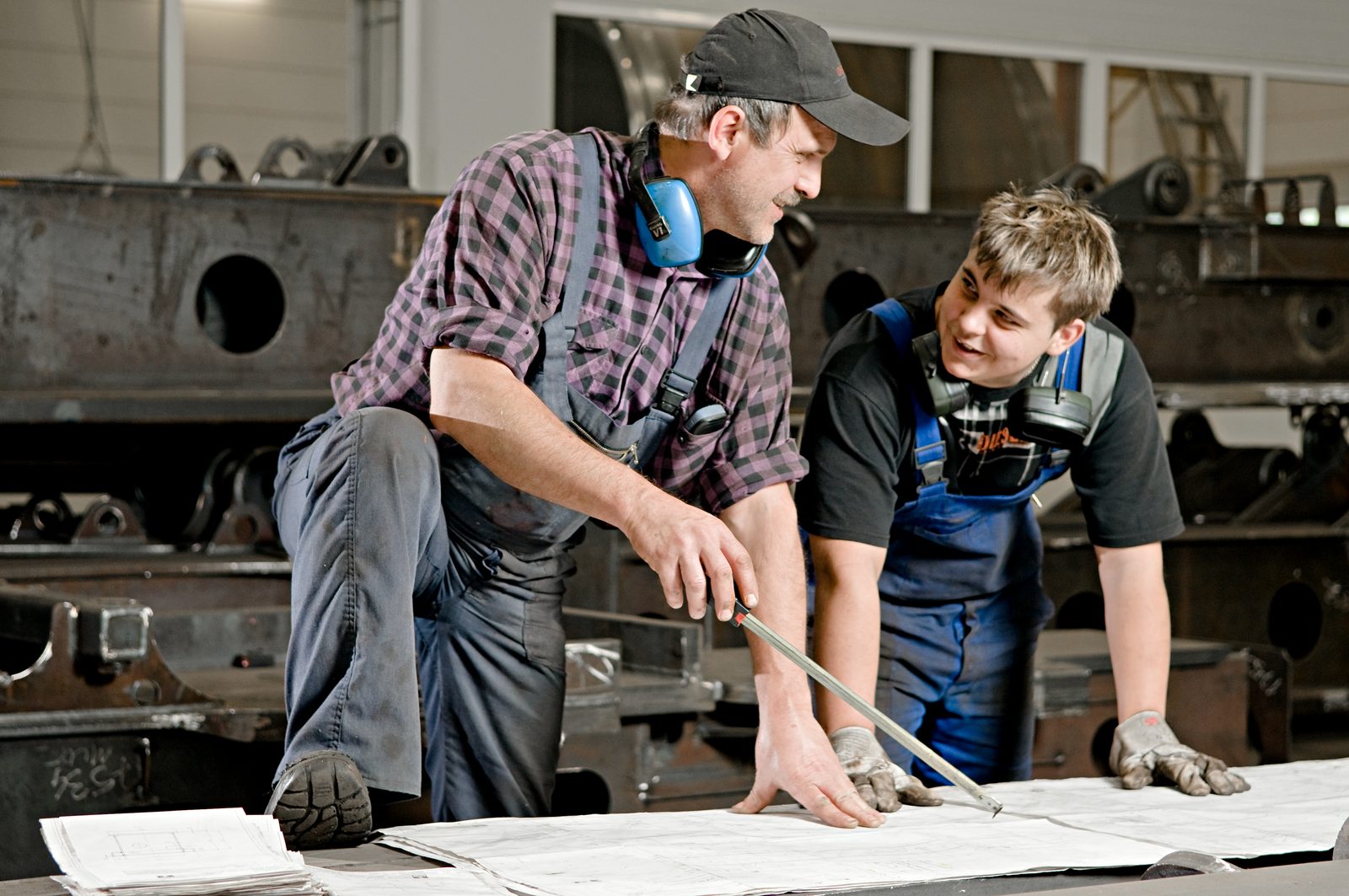
What is it like to make one-off steel components in Lorch? Explore the three main trades, the workshop and the region before planning your next career move.
Read the guide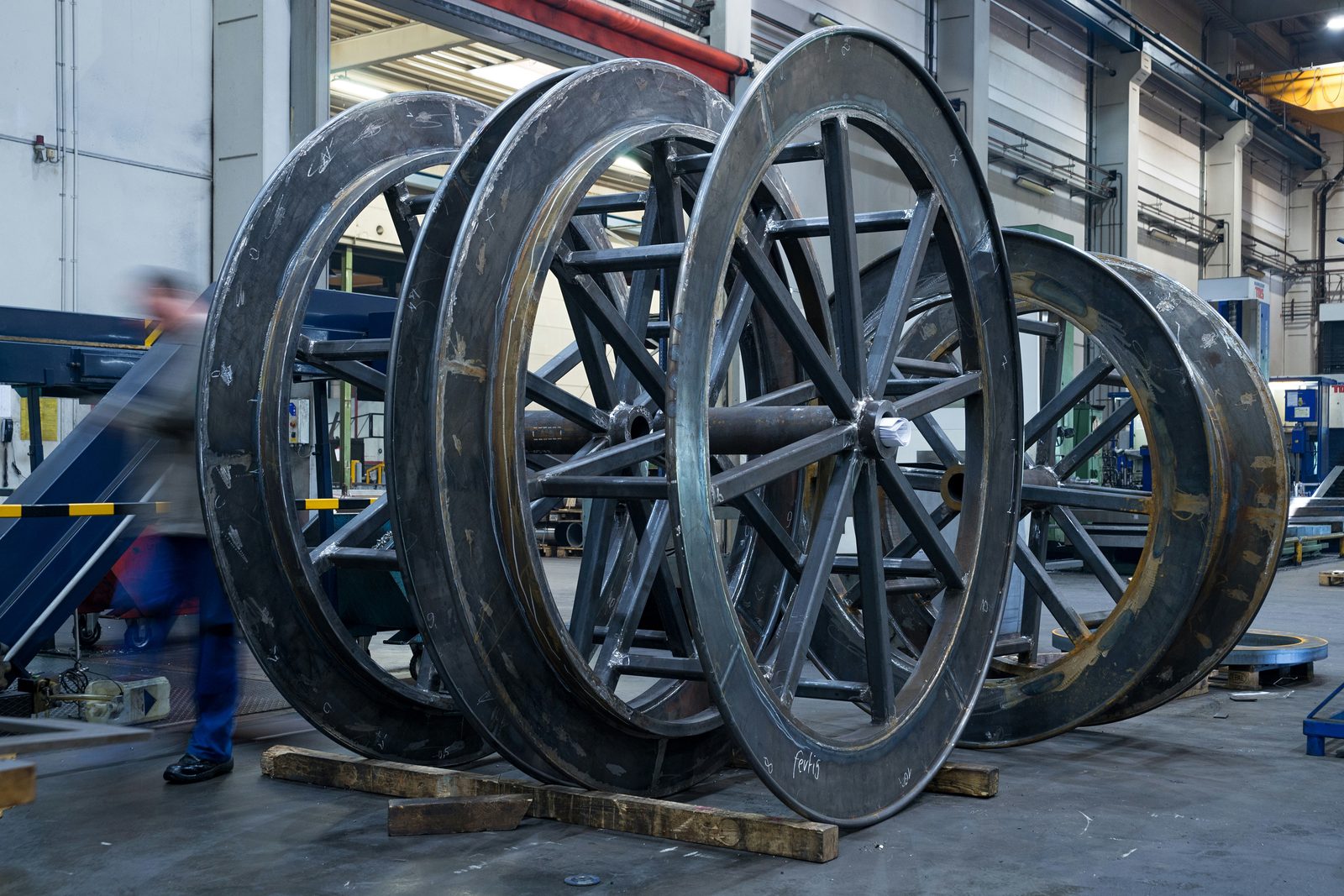
Follow a component through the workshop to discover the work of fitters, machinists and welders, and how German apprenticeships prepare people for these roles.
Explore apprenticeships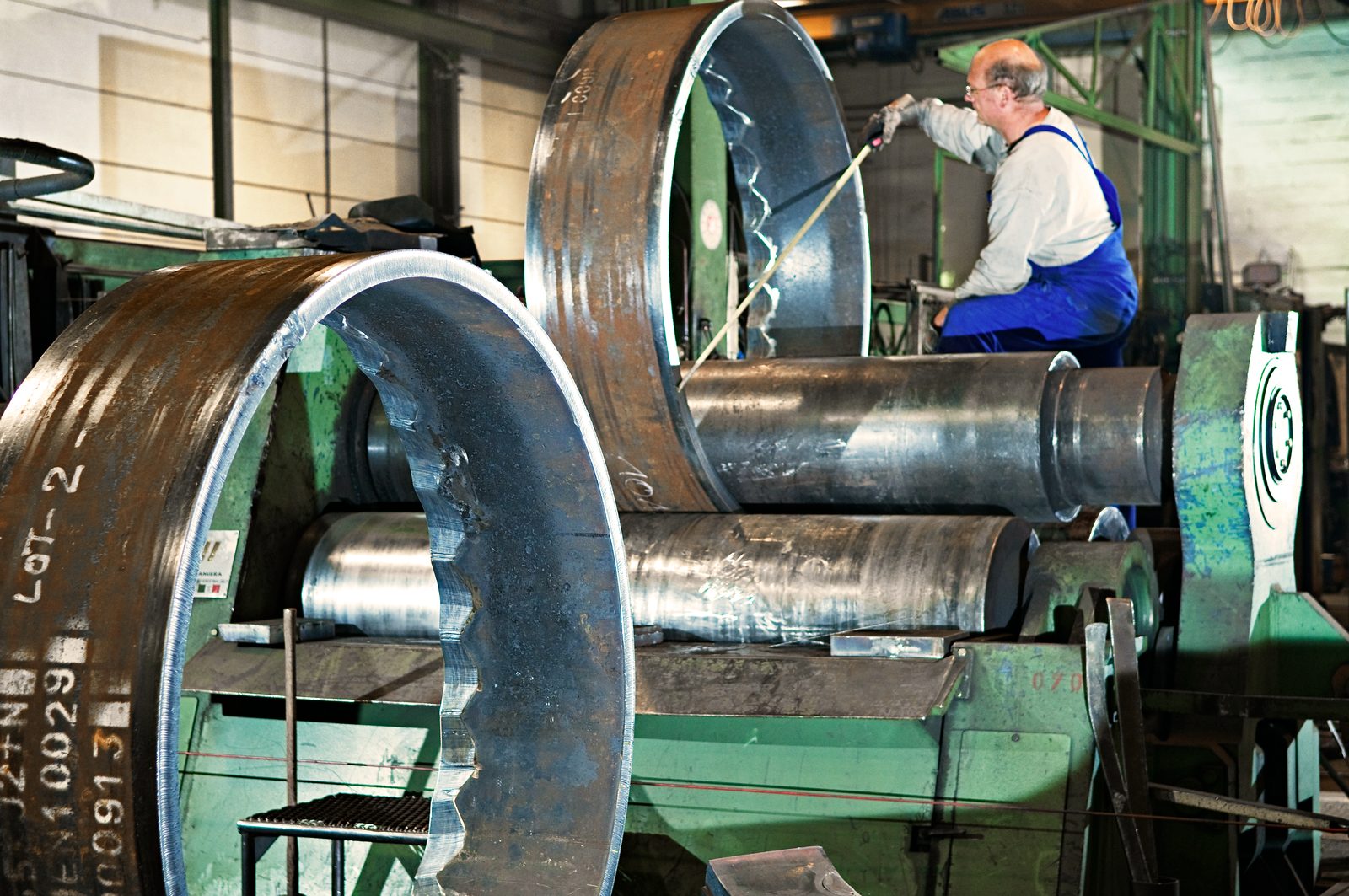
How do separate steel parts become an accurately fitted machine frame? A look at the work, judgement and German training route behind structural metal fitting.
Explore the trade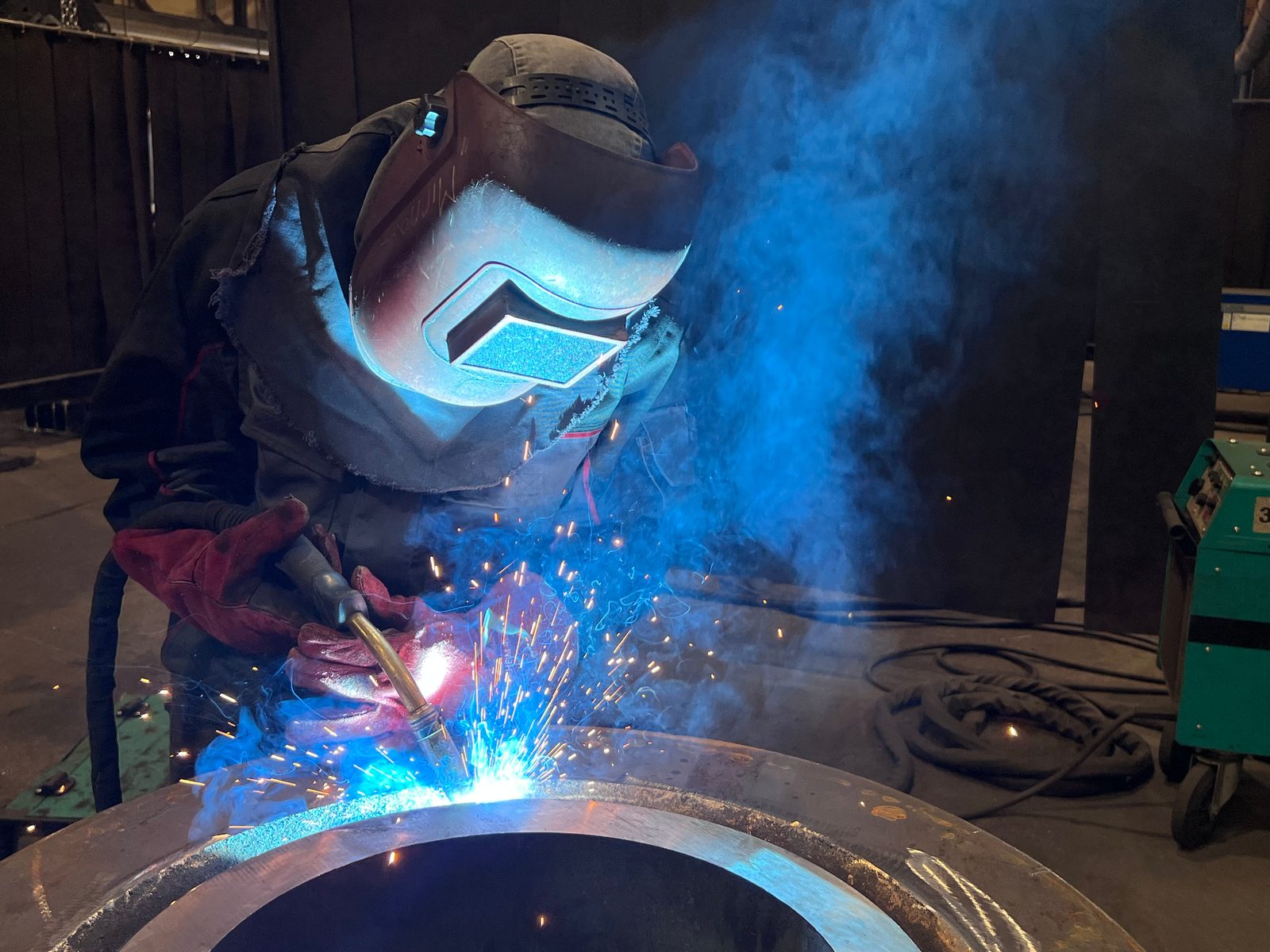
There is more to welding than laying a bead. Explore joint preparation, MAG, TIG and submerged arc welding, and the qualifications used in Germany.
Explore the trade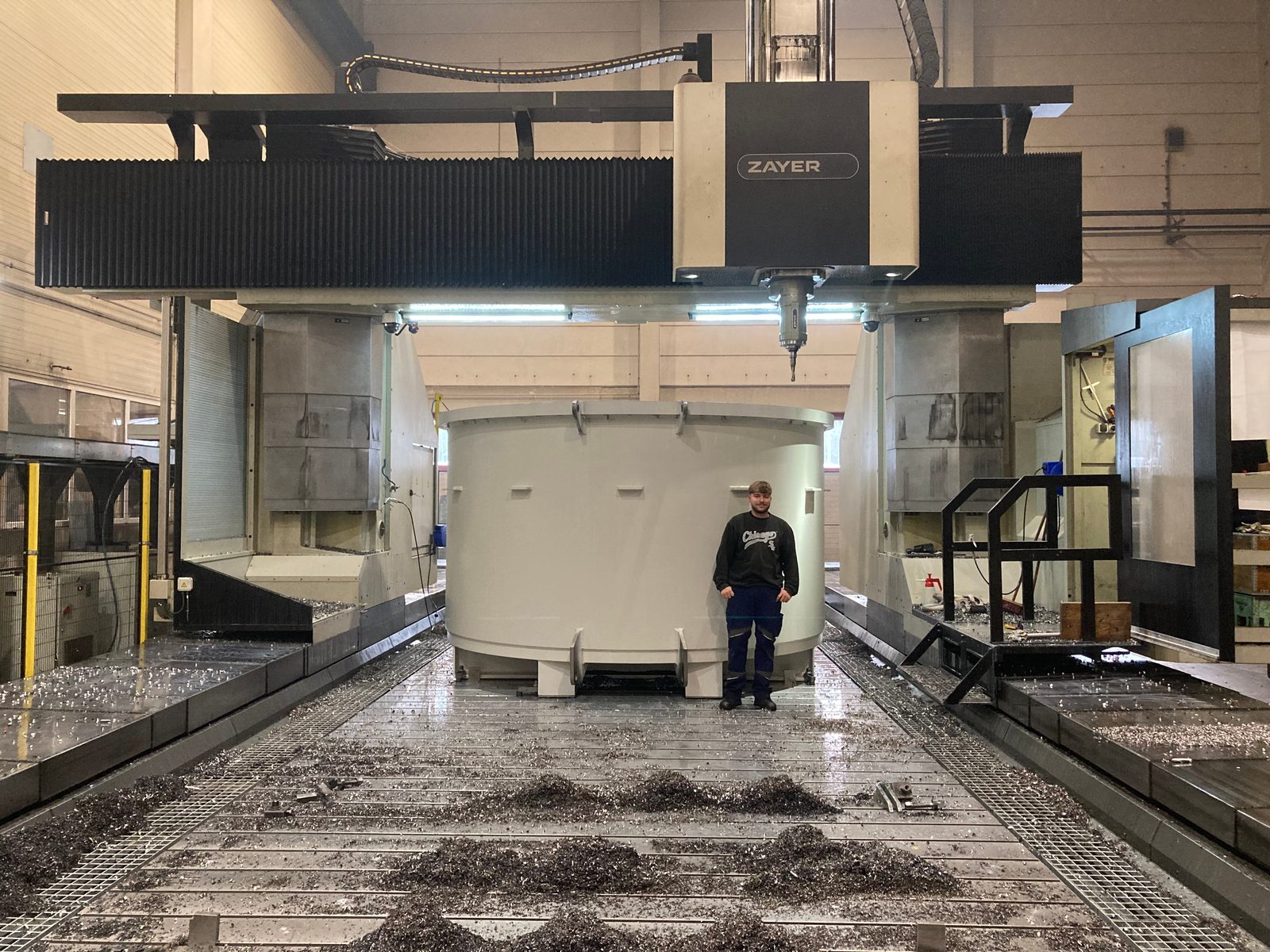
Before the first cut comes the setup. Discover how CNC machinists plan, program and inspect large components, and how the German apprenticeship builds those skills.
Explore the trade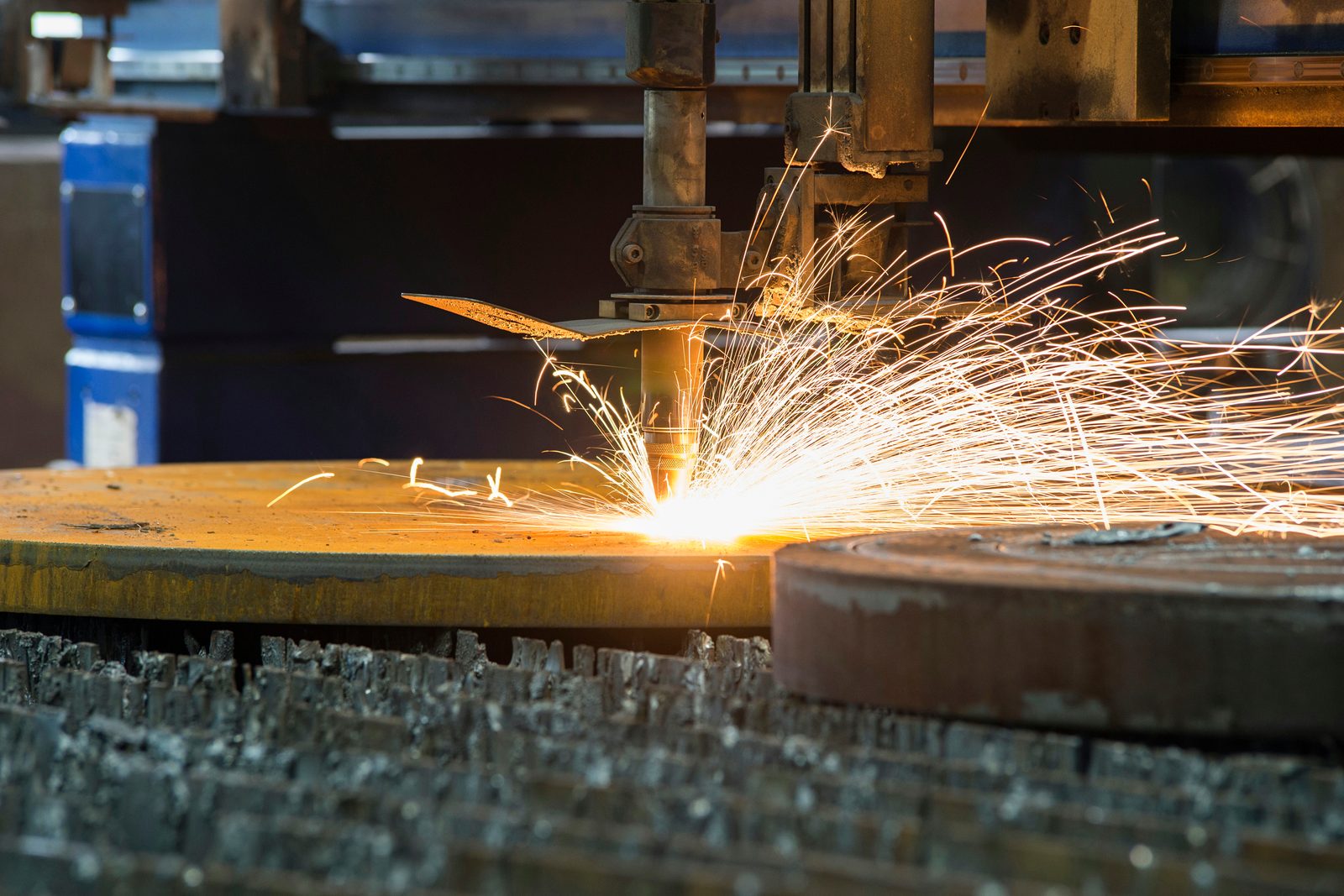
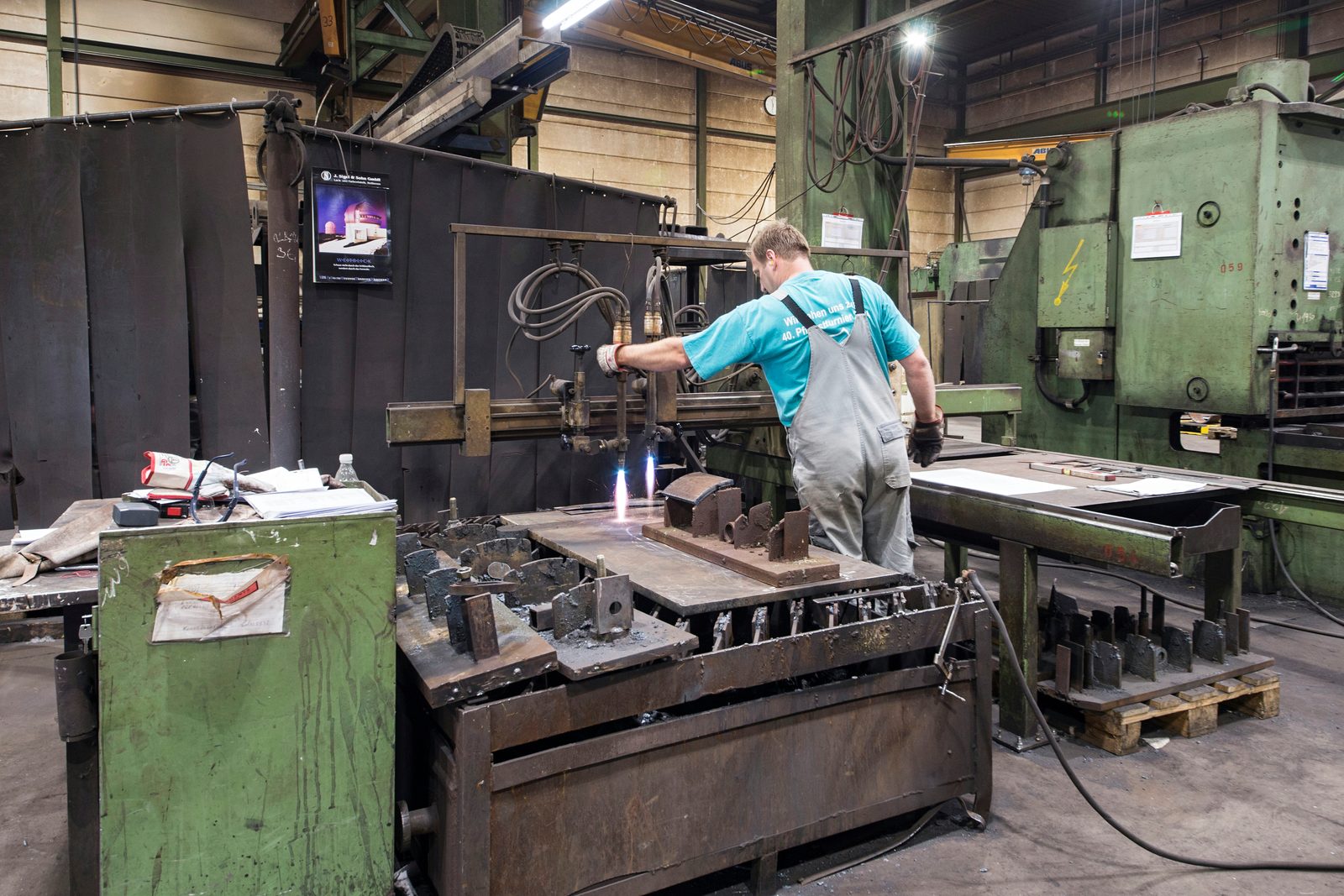
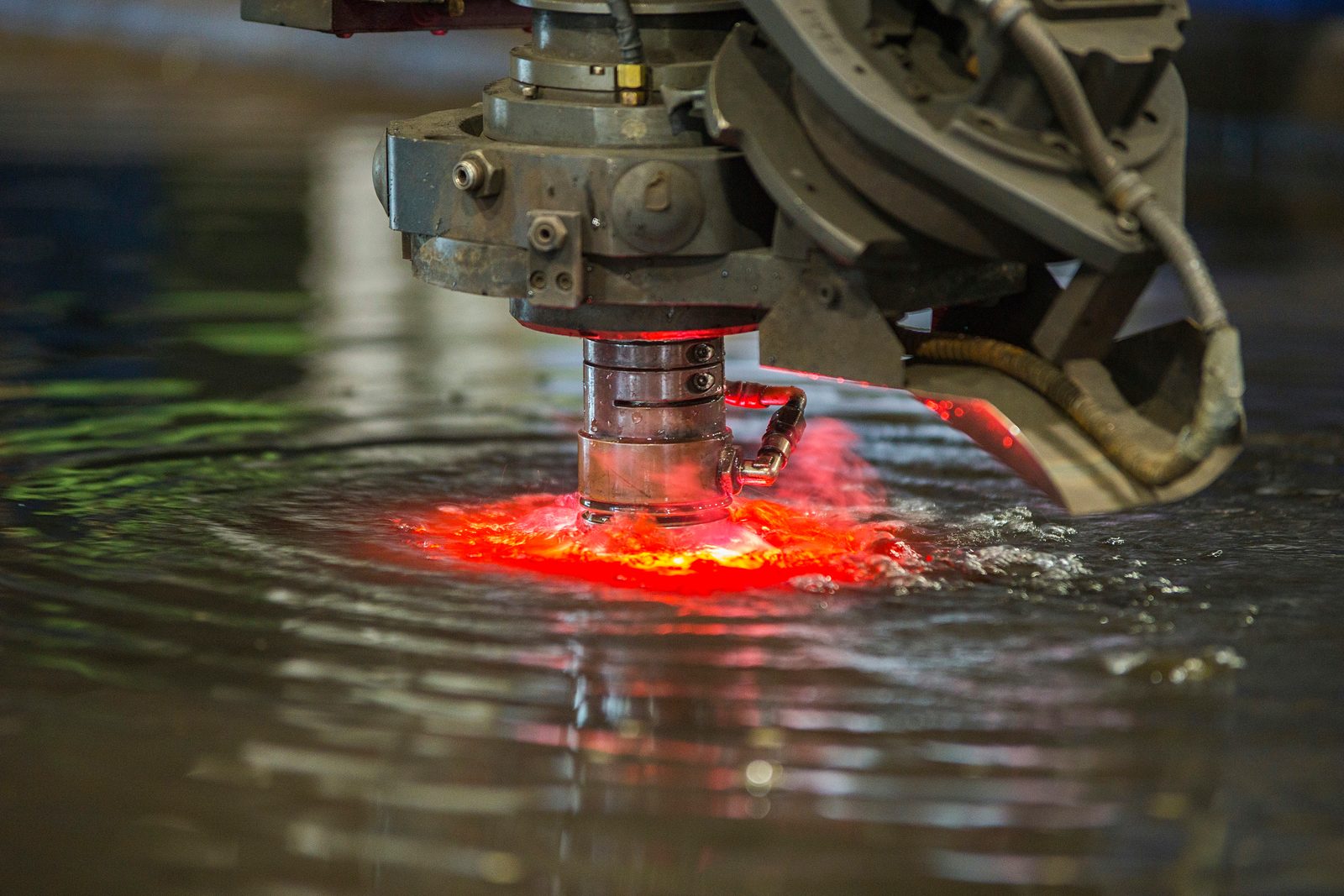
An oxygen jet burns its way through heated steel. Follow the process from plate to finished blank, and learn when plasma cutting makes more sense.
Read the process guide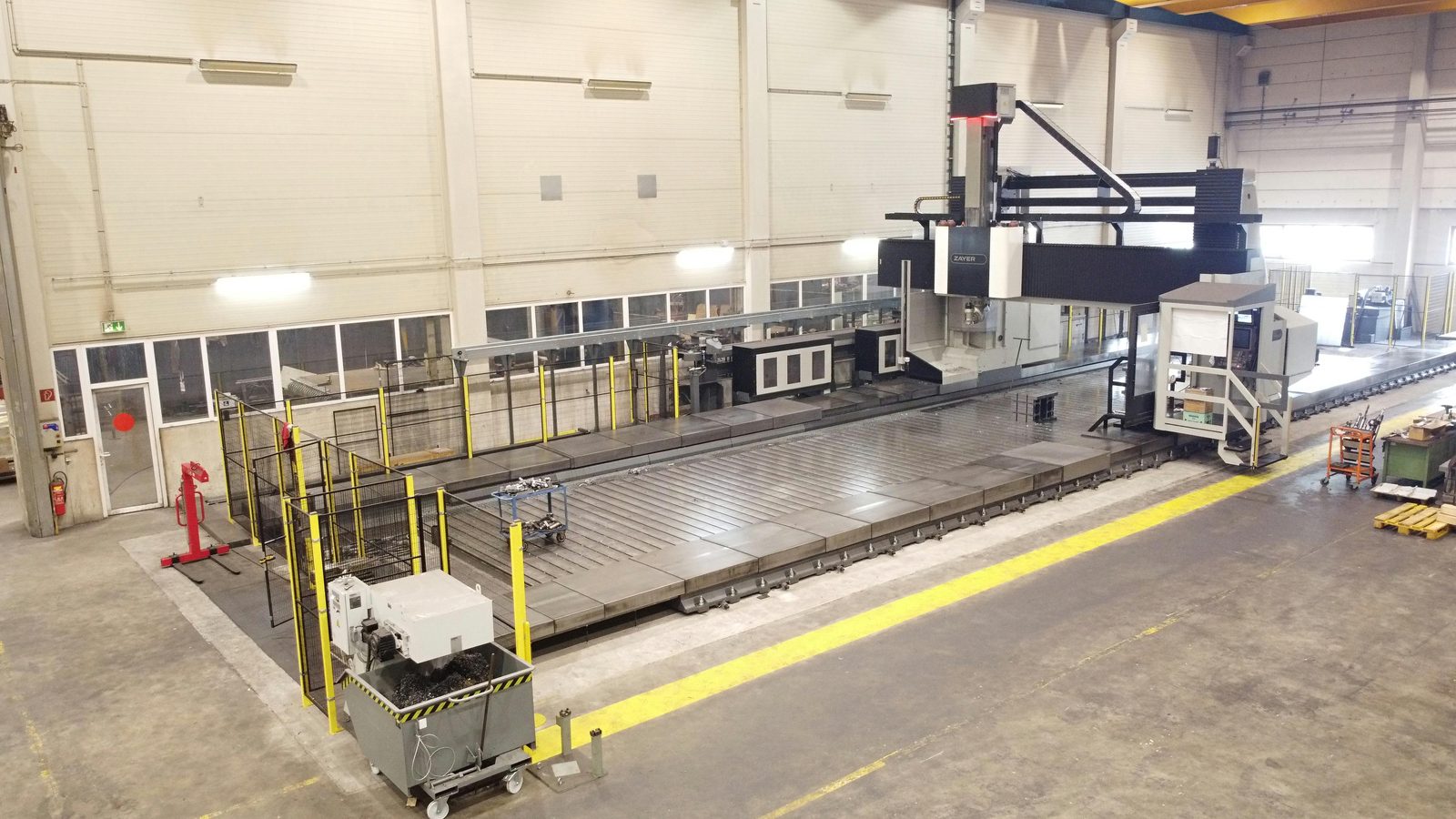
In 2020, the W 26000 added 26 metres of X-axis travel. The story behind our second Zayer and what its larger working envelope made possible.
Read the story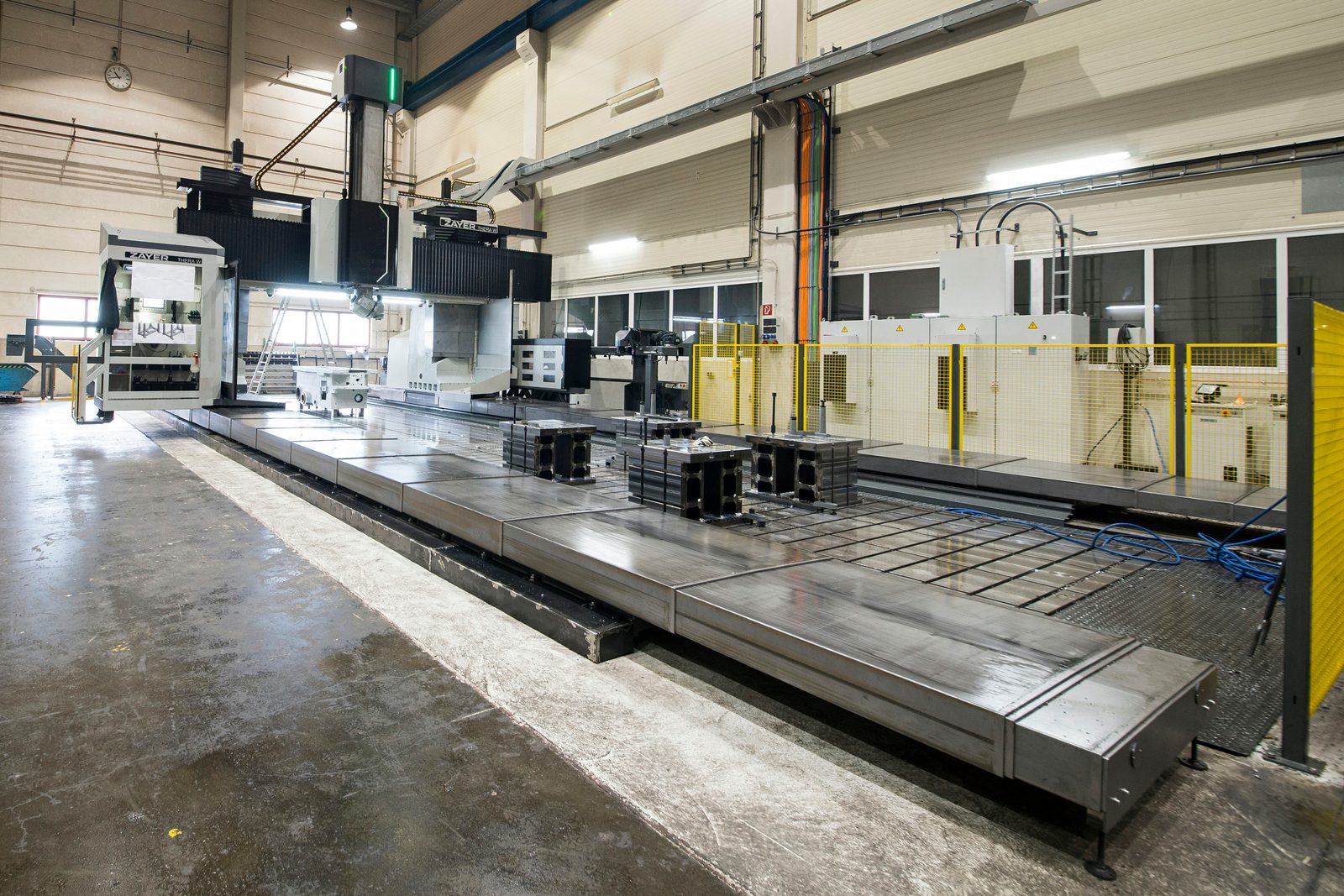
In 2017, the W 16000 brought 16 metres of X-axis travel and a 30° milling head to Bock. How the investment expanded our large-part machining capabilities.
Read the story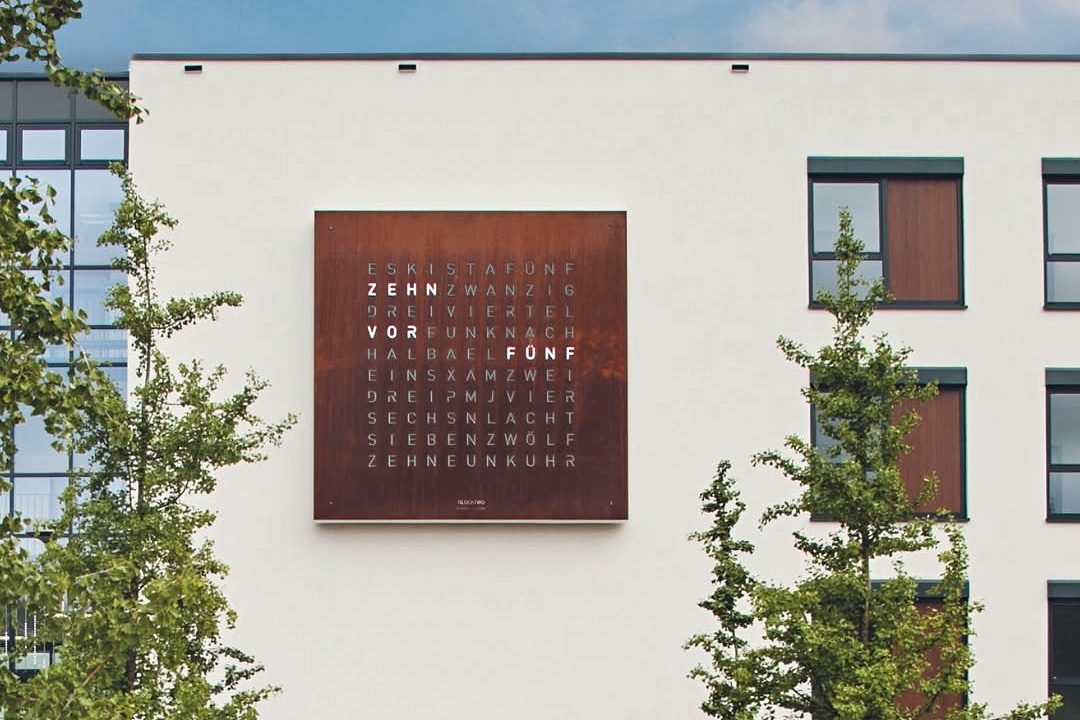
A clock face measuring 5.20 × 5.20 metres becomes a steel fabrication challenge. The story of the Corten steel front panel we made for QLOCKTWO GAMUNDIA.
Read the storyFlame cutting or plasma? Rolling or press brake bending? Each choice affects how a component is made and what happens at the next stage. These guides draw on 63 years of contract manufacturing at Bock, with examples from our own equipment and components weighing up to 50 t and measuring up to 26 m in length.
The articles explain what each process can achieve, where its limits lie and when another approach makes more sense. Machine data and workshop examples give design engineers, buyers and technicians something concrete to work with. Our production is certified to DIN EN 1090-2 EXC3 and EN ISO 3834-2.
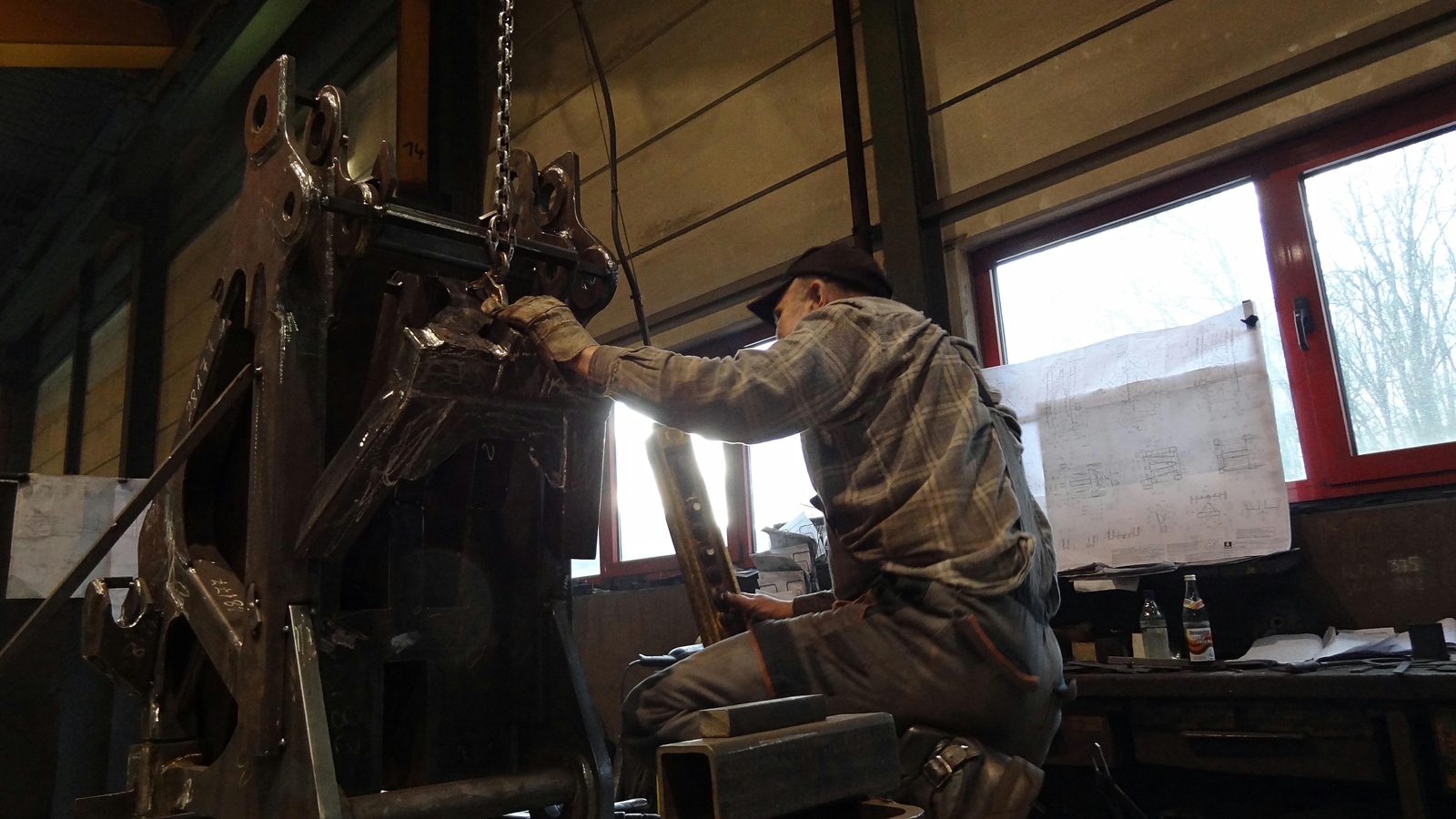
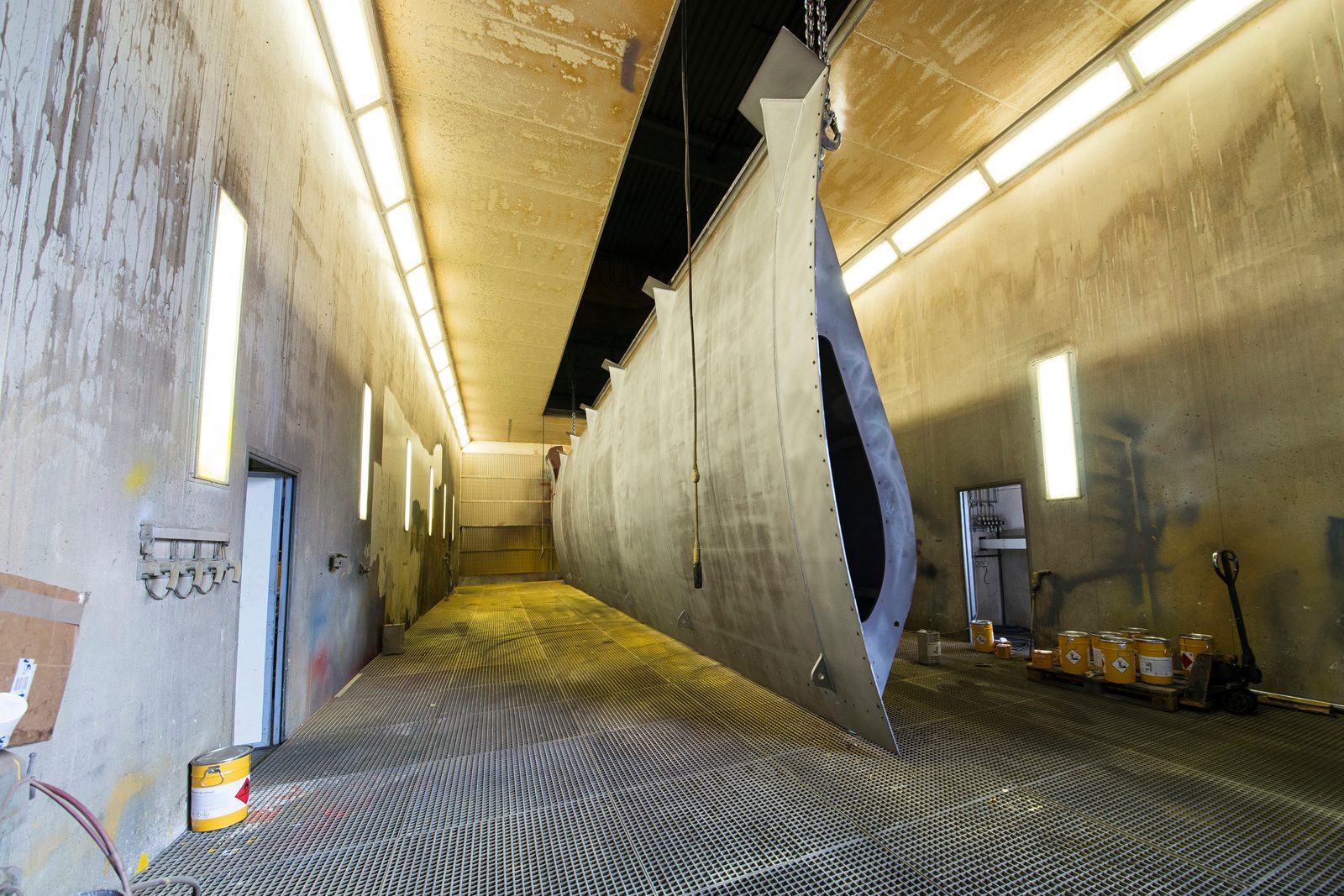
From flame-cut blank to painted assembly — one order, one delivery date.
All manufacturing processesWe do – because we are accountable for the result. Your drawing specifies what the finished component must achieve: dimensions and tolerances, material, surface and the required documentation. Which route leads there is determined by our production planning, for weld seams together with the welding supervision (IWE/EWE), which also releases the welding procedure specifications. If a standard or your own approval prescribes a specific process, we naturally implement it accordingly.
Plate thickness, contour and what happens to the edge afterwards. Up to 15 mm, the guillotine shear cuts purely mechanically – without a heat-affected zone, without thermal distortion and without an oxide edge, but only in straight lines. Plasma cuts free contours up to 60 mm, and under water up to 30 mm with significantly lower heat input. Above that, oxy-fuel flame cutting takes over up to 200 mm. An edge that will be machined anyway places different demands than one that stays as it is.
Yes – if there is a step between welding and final machining that relieves the residual stress. Without it, the assembly keeps moving as soon as material is removed. This step is performed by vibration stress relief: it needs no annealing furnace and can therefore also be used for components up to 50 t that do not fit into any furnace. Structures that have already distorted are corrected by flame straightening. Only then does the component go onto the milling machine.
Our own personnel, qualified to Level 2 under DIN EN ISO 9712: we carry out visual, magnetic particle and penetrant testing ourselves, ultrasonic and radiographic testing via qualified partners. A designated welding supervisor is responsible for the weld seams. One point that is often overlooked: what is tested and certified is what was ordered when the order was placed – an inspection status can rarely be reconstructed afterwards.
Our production planning. Via the contact form with the subject “Technical question” it goes straight there. We first answer questions of general interest by email and then add them, anonymised, to the FAQ of the relevant article, where they help the next reader.
Behind every process is a skilled trade. Our job profiles show what fitters, welders and CNC machinists do on real components, how they learn and where the work can lead. Current vacancies and apprenticeship opportunities are listed on the careers page.
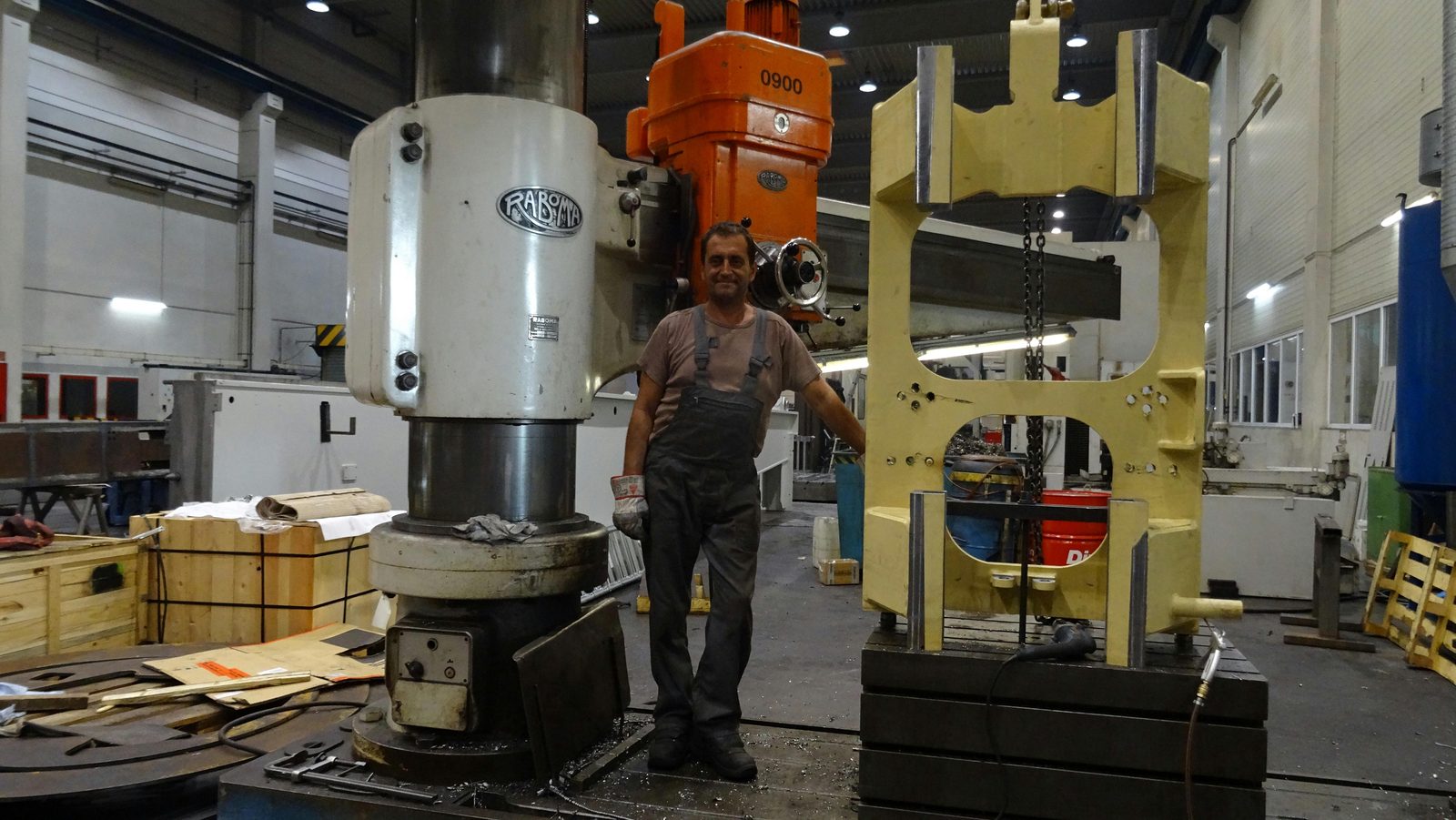
Send us your enquiry for contract manufacturing, structural steel or custom machinery — we'll get back to you promptly.