Working in steel construction in Germany: trades and life near Stuttgart
Contents
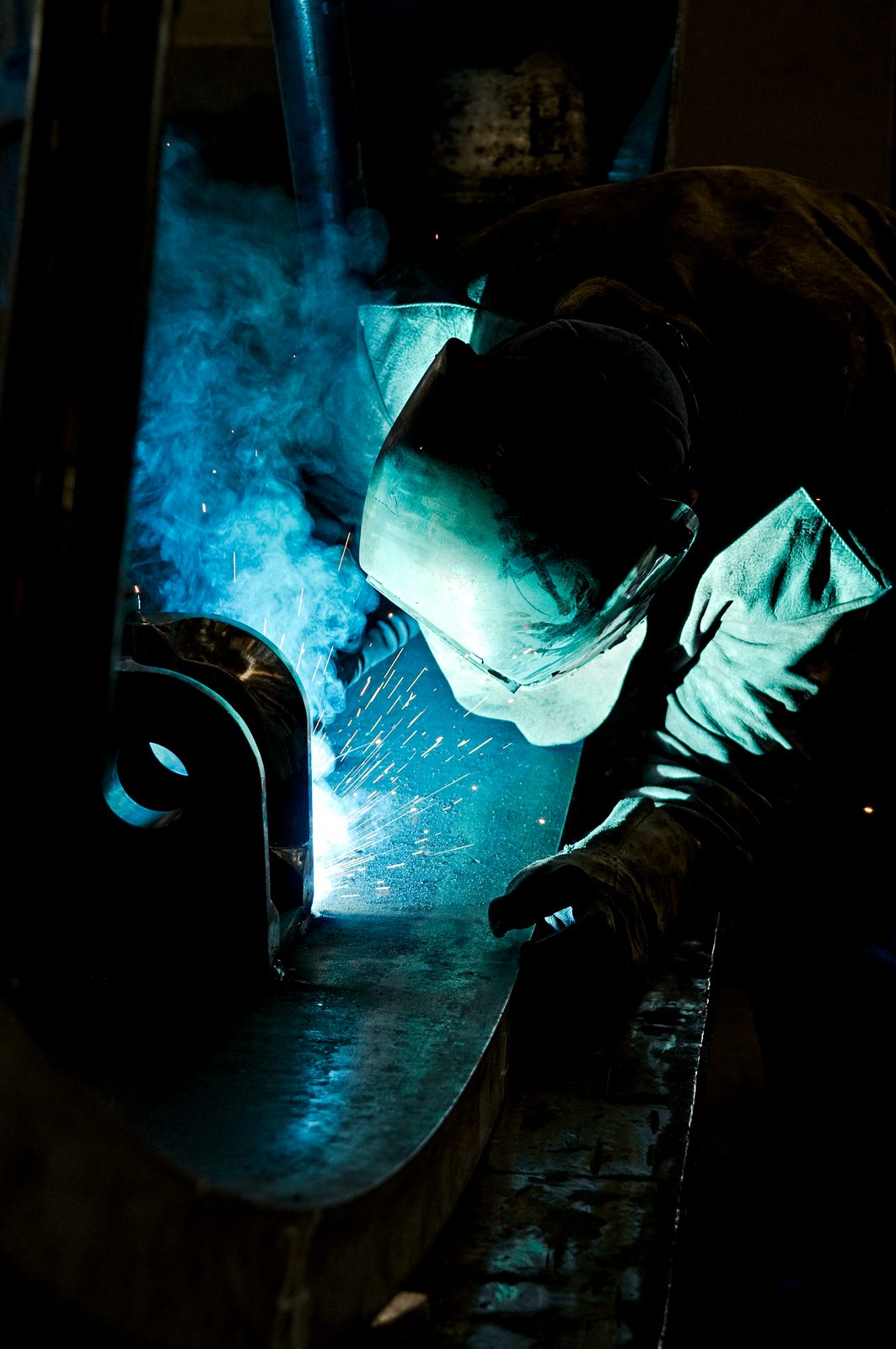
Working in Lorch and the Stuttgart region
Choosing a job in Germany also means choosing a place to live. Baden-Württemberg has a strong manufacturing base, with mechanical engineering, automotive companies and specialist suppliers across the region. For metalworkers, it offers a setting where the trades described here are part of everyday industrial life.
Bock is based in Lorch, a small town in the Ostalbkreis east of Stuttgart. Schwäbisch Gmünd, Schorndorf, Aalen and Göppingen are nearby; Stuttgart is roughly an hour away. Housing costs and commuting times vary with the location, so both are worth checking when planning a move to the Rems Valley.
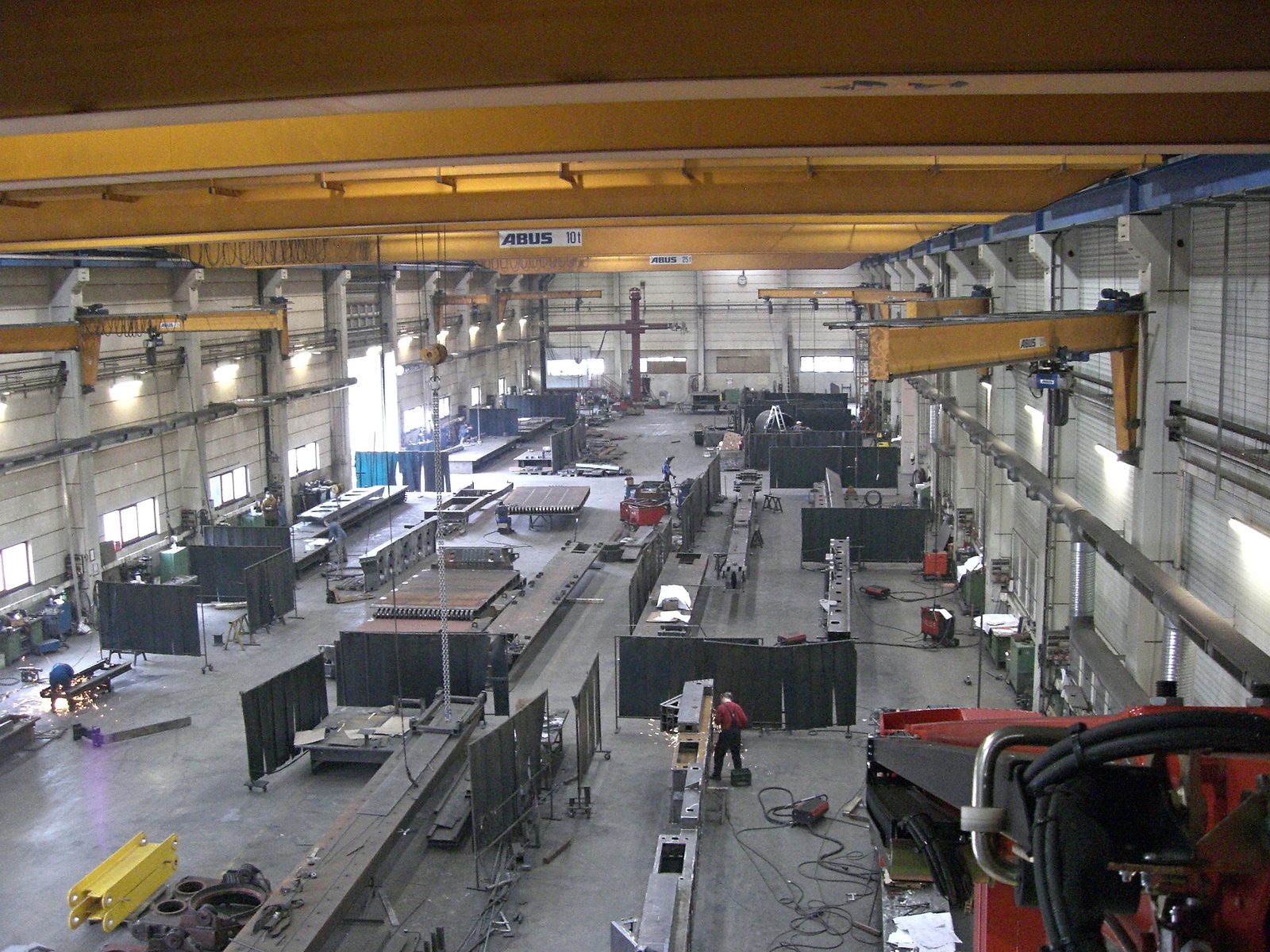
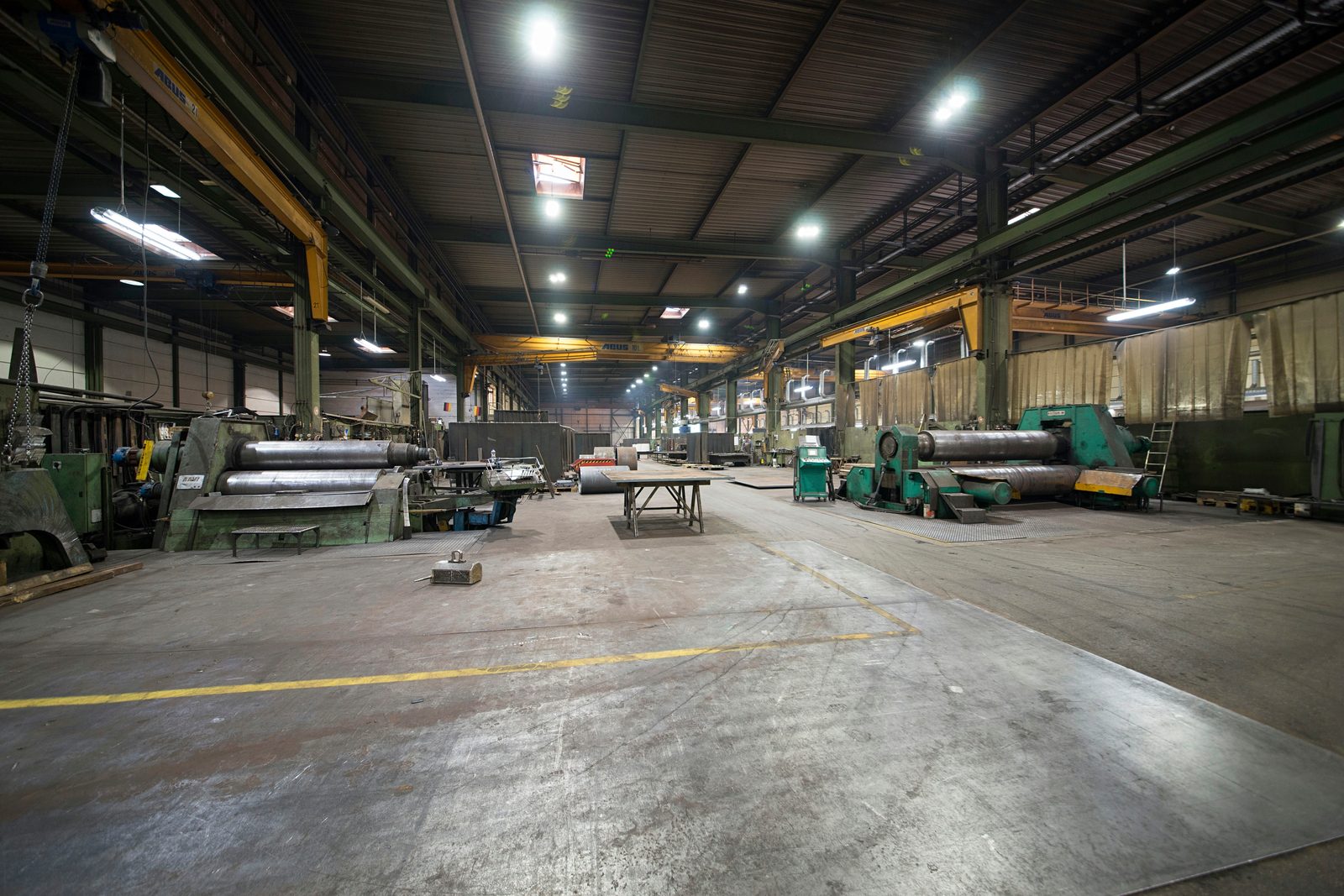
At the plant, more than 20 machines occupy around 14,000 m² of production space. Cutting, fabrication, machining and finishing take place under one roof, allowing colleagues to follow a component through successive stages and see the finished result.
Welders, structural metal fitters and CNC machinists: the work at Bock
Three skilled trades play central roles as a component moves through production. The profiles below explain the work, training and responsibilities of each.
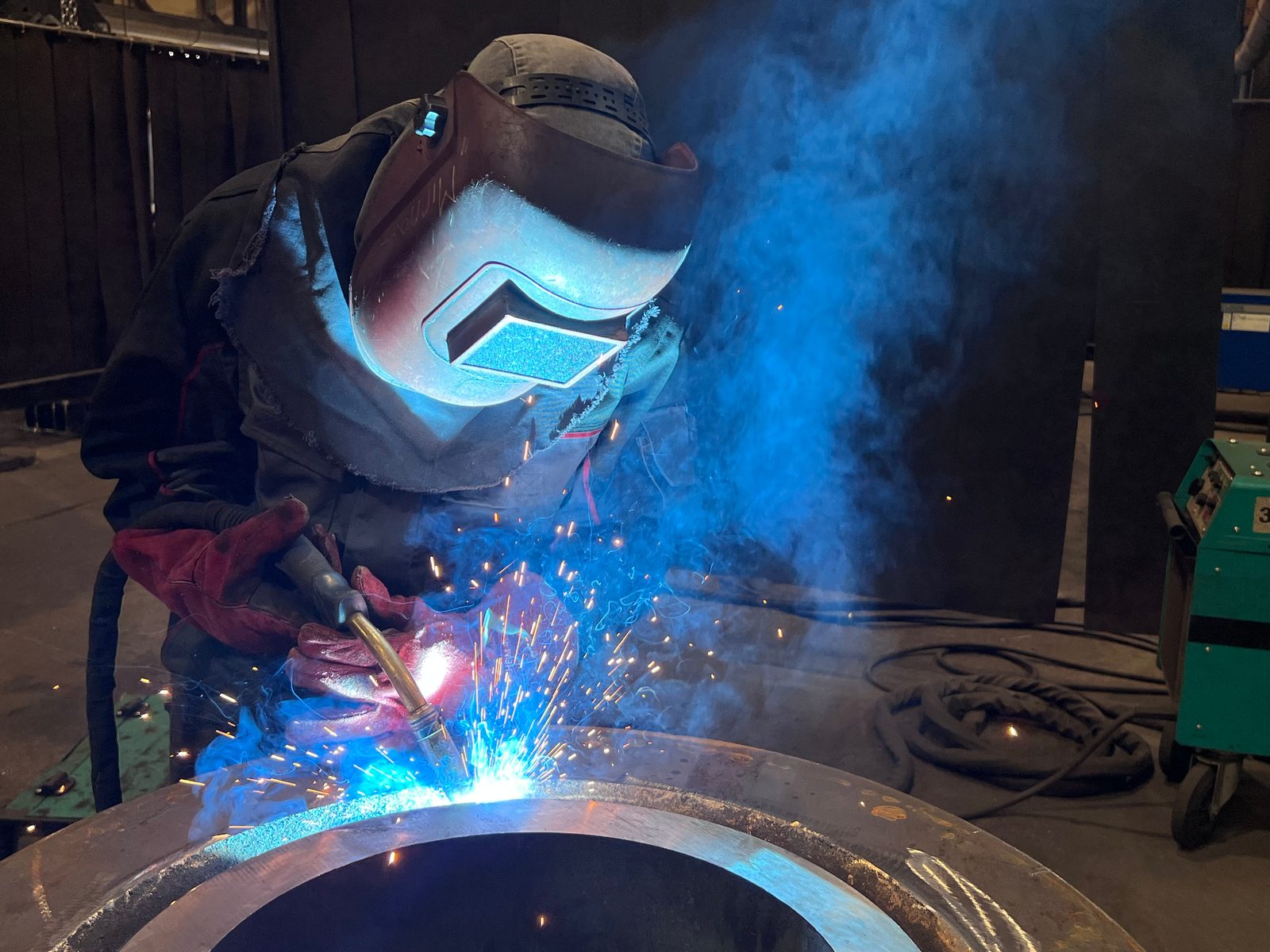
The welder turns individual parts into a load-bearing whole. Manual MAG, TIG for stainless steel, fully mechanised submerged arc welding up to 1,250 A. We manufacture load-bearing steel components to DIN EN 1090-2 EXC3 (MAG and SAW certified, TIG by qualified welders), with non-destructive testing in-house.
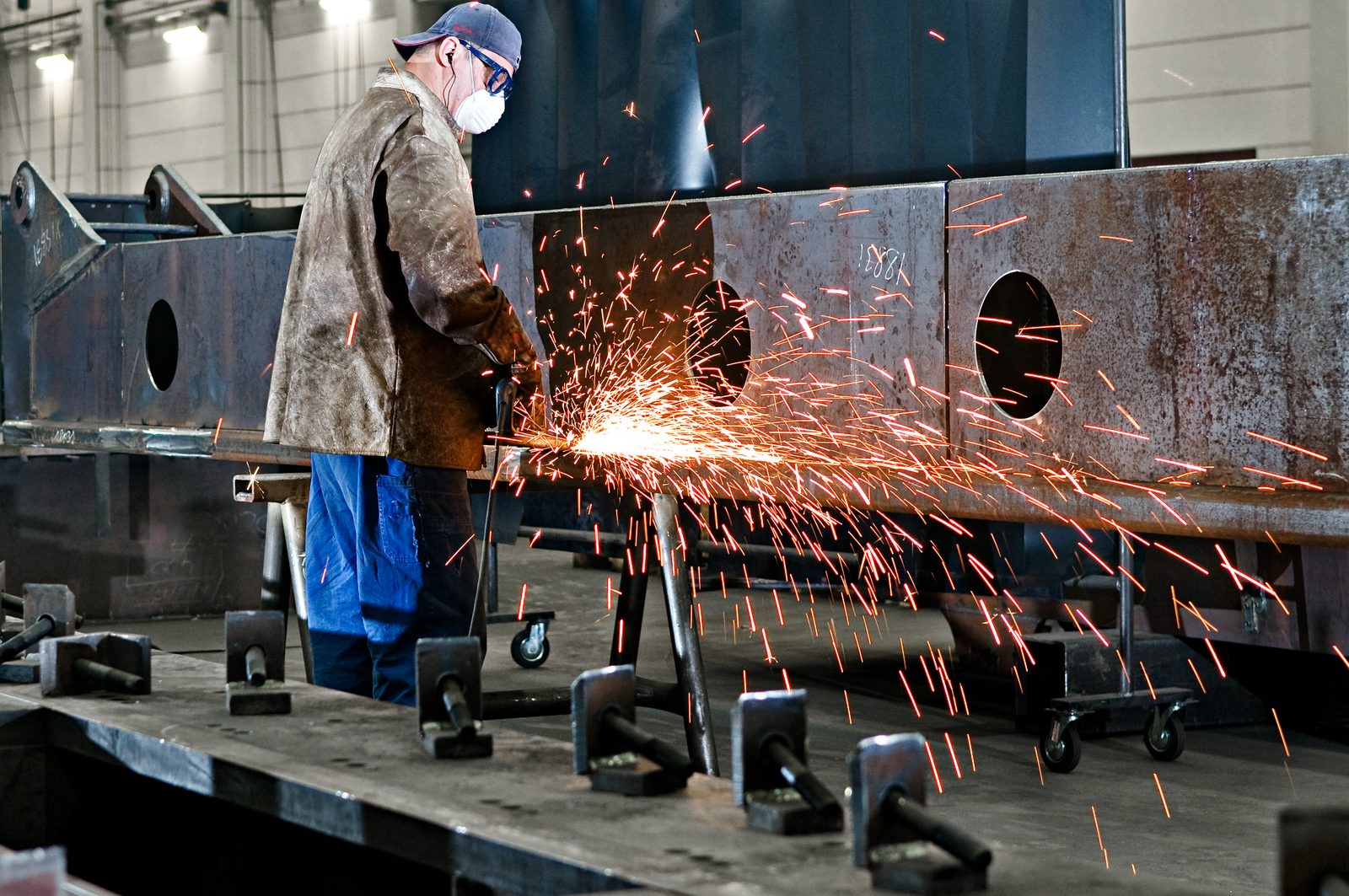
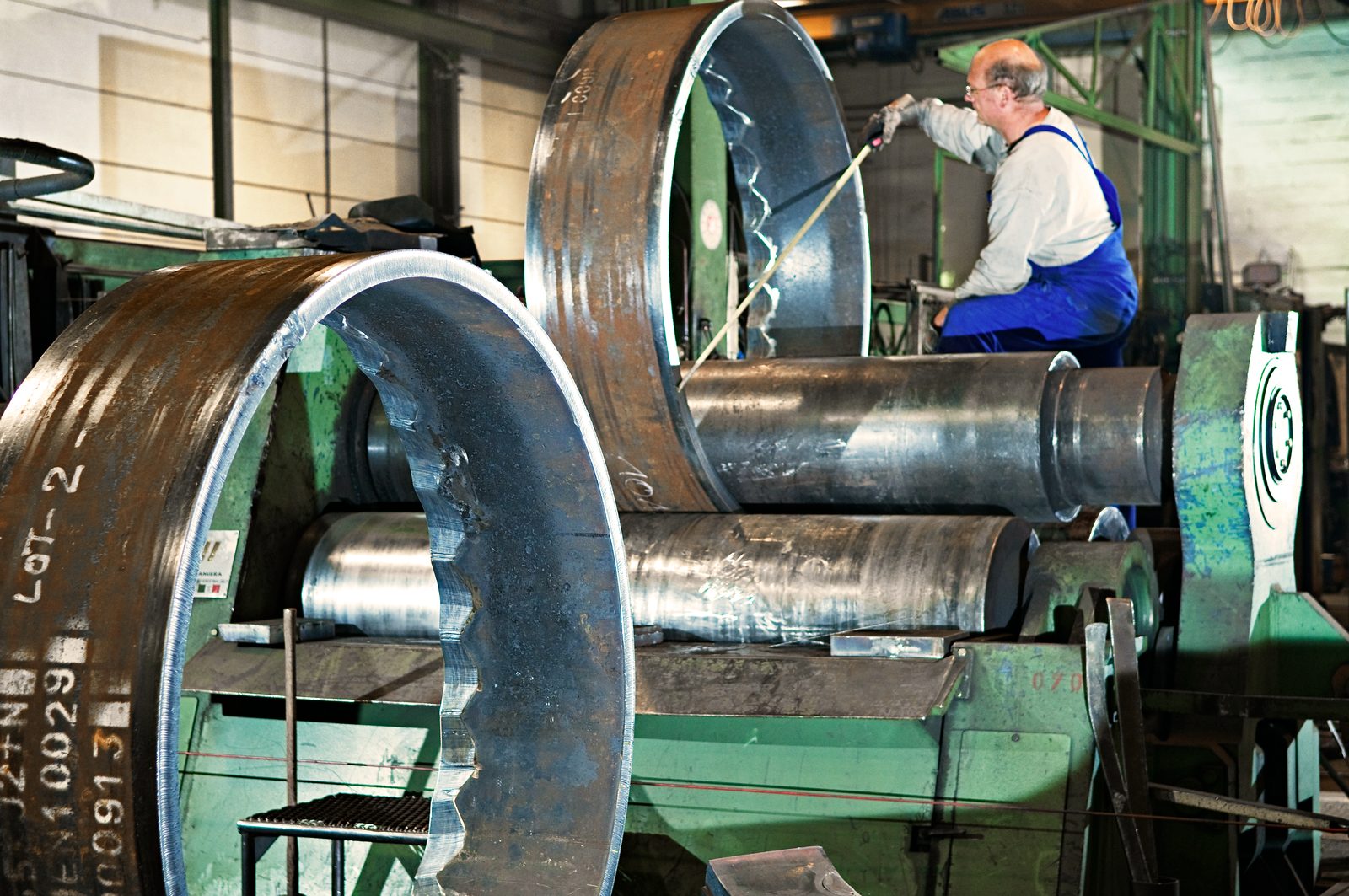
The structural metal fitter builds and aligns the assembly from plates and sections before final welding. Cutting, bending, straightening, fitting and tack welding establish the geometry. The German apprenticeship title is Konstruktionsmechaniker; Schlosser is still used as workshop shorthand.
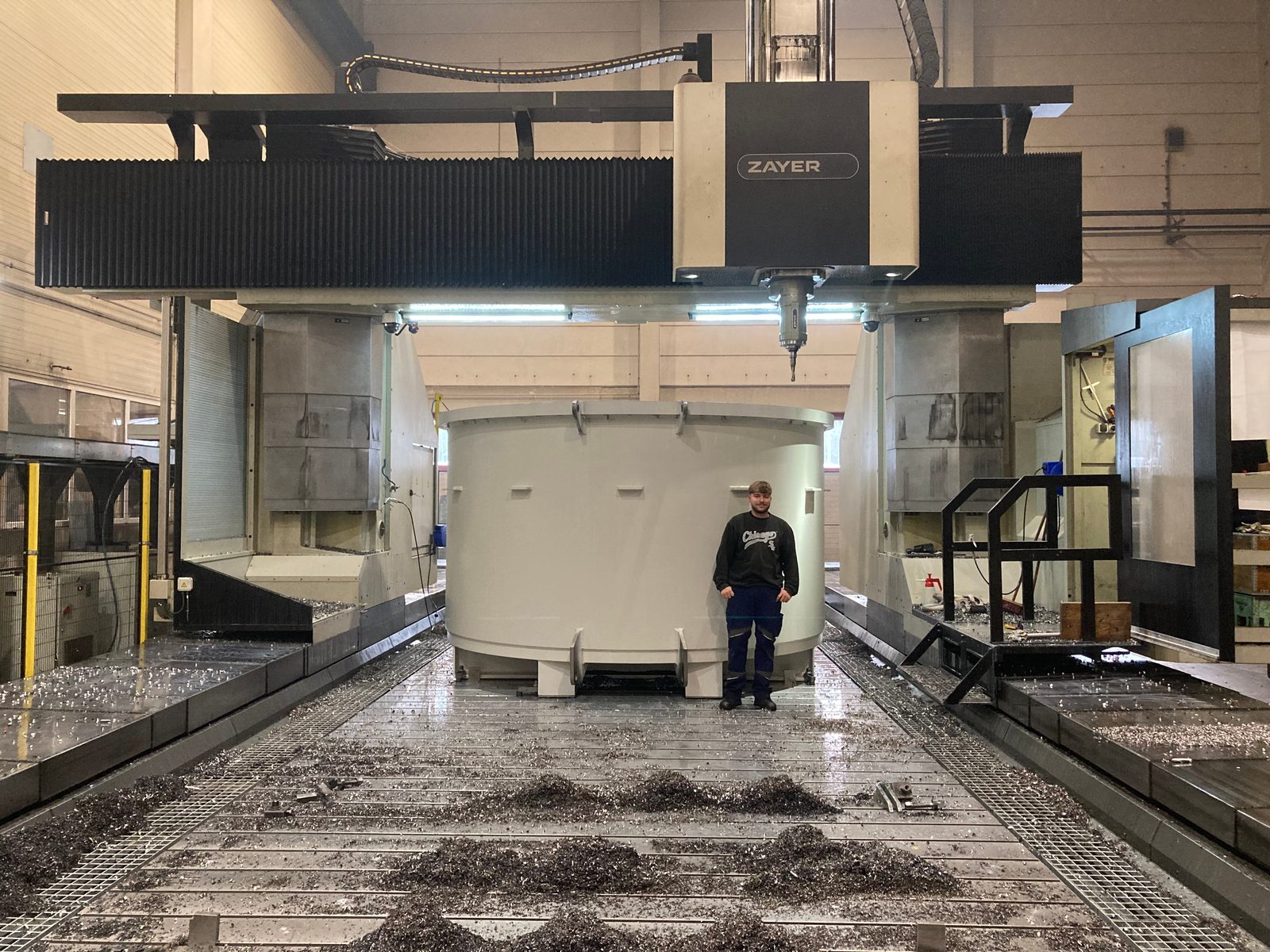
The CNC machinist produces the specified dimensions and functional surfaces: turning up to Ø 4,800 mm and milling components up to 26 m in length. The German apprenticeship title is Zerspanungsmechaniker. Planning the setup is a major part of working at this scale.
You do not have to master all three. But you work side by side with the other two – and see what becomes of your work before it leaves the hall. If you are just starting out, the apprenticeship in steel construction is your way in.
One-off parts and small batches: how the work varies
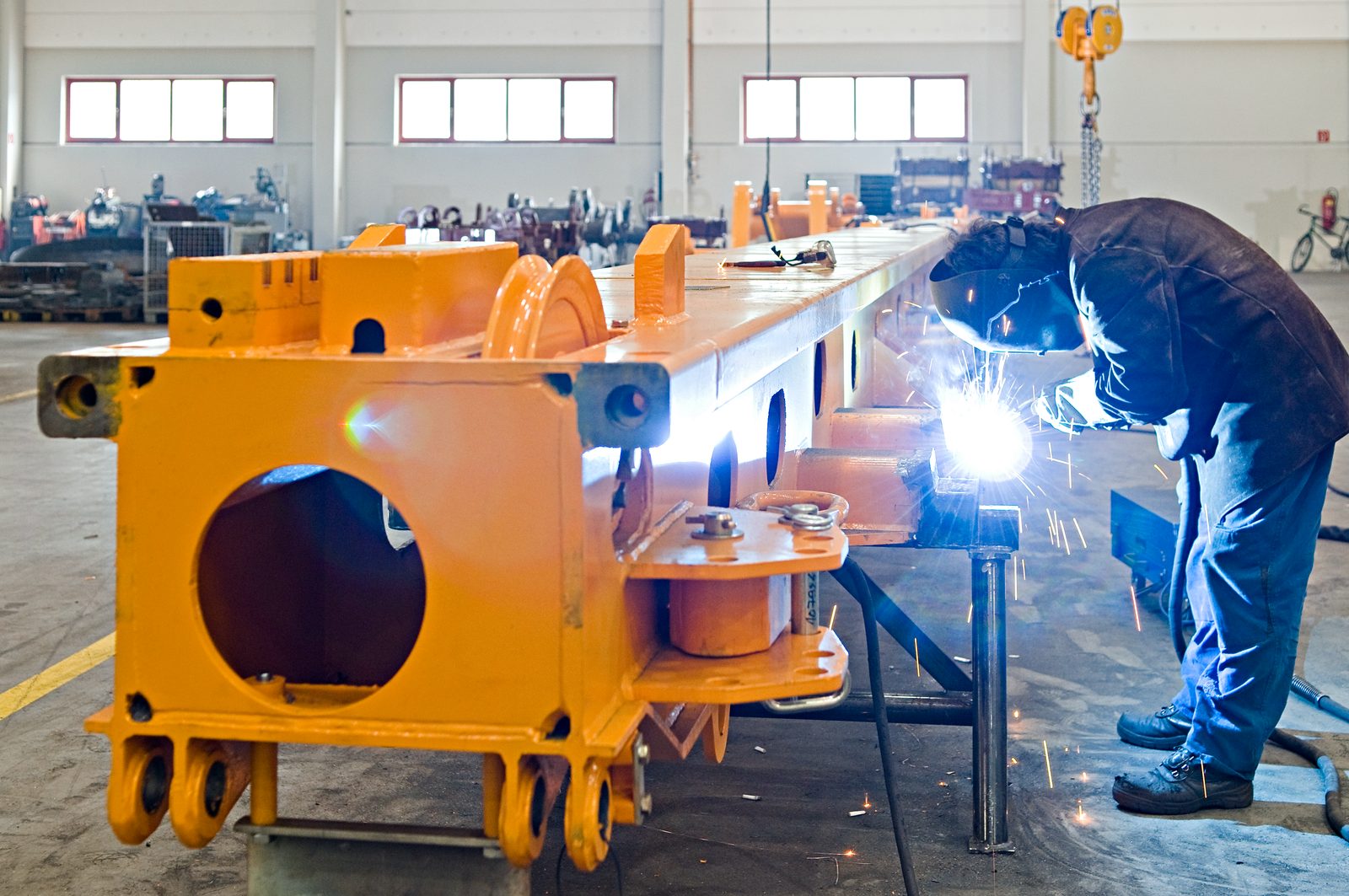
The biggest difference from a series-production plant is not in the contract but on the trestles: almost nothing comes round a second time here. Prototypes, batch size 1 and small series are the norm. With the component, the material, process and requirements change – from structural steel through high-strength and fine-grain steel to stainless steel and duplex, more than 40 grades in our own stock, each with inspection certificate 3.1.
Variety changes the daily work: each new component brings a different drawing, setup or material. A crane bridge, a pressure vessel and a press frame call for different decisions, even when the same tools and processes are used.
The finished parts become working components in cranes, presses, power plants, bridges and offshore installations. Understanding that purpose gives context to the dimensions, welds and inspection requirements on the drawing.
The components you would work on
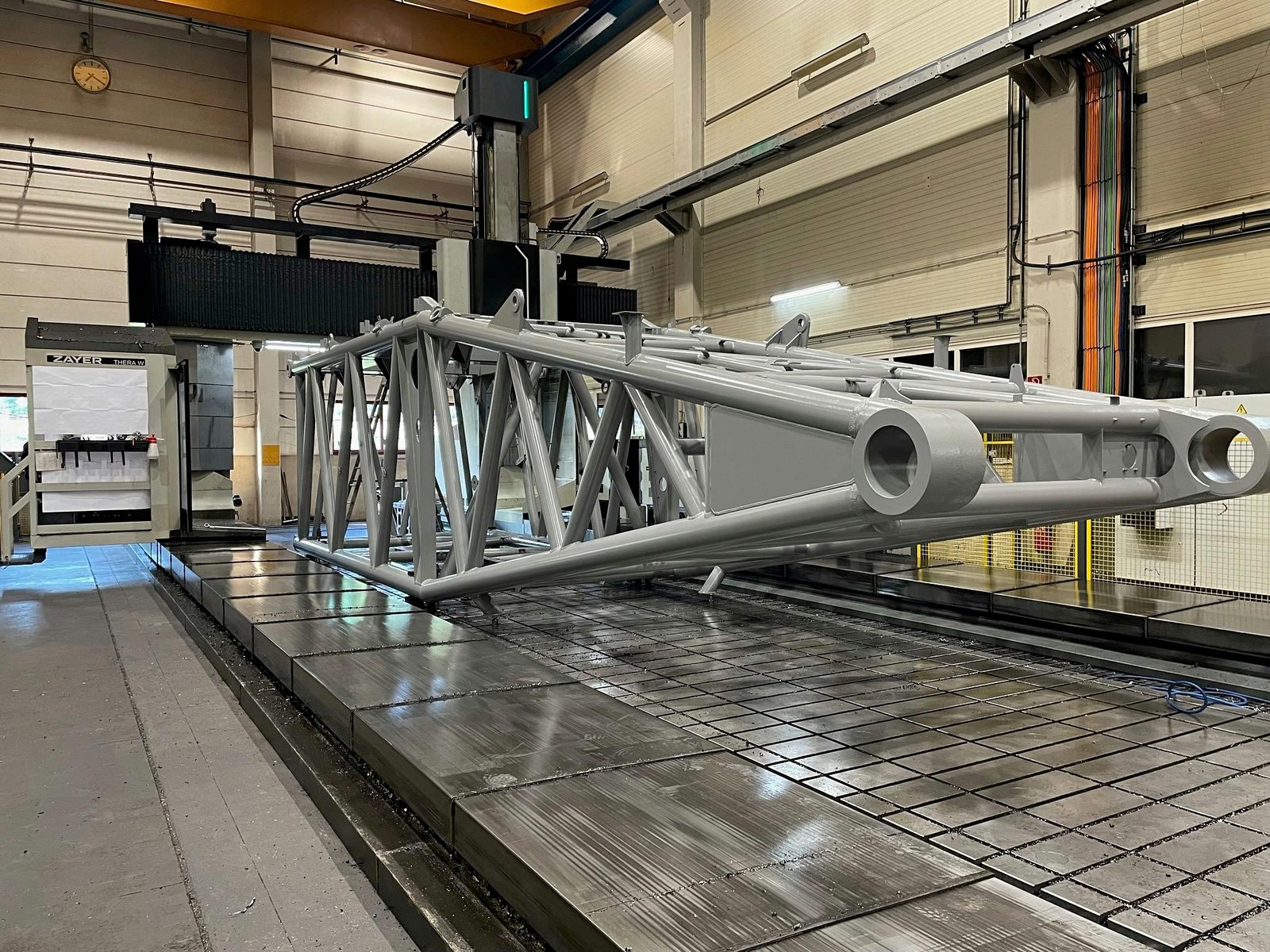
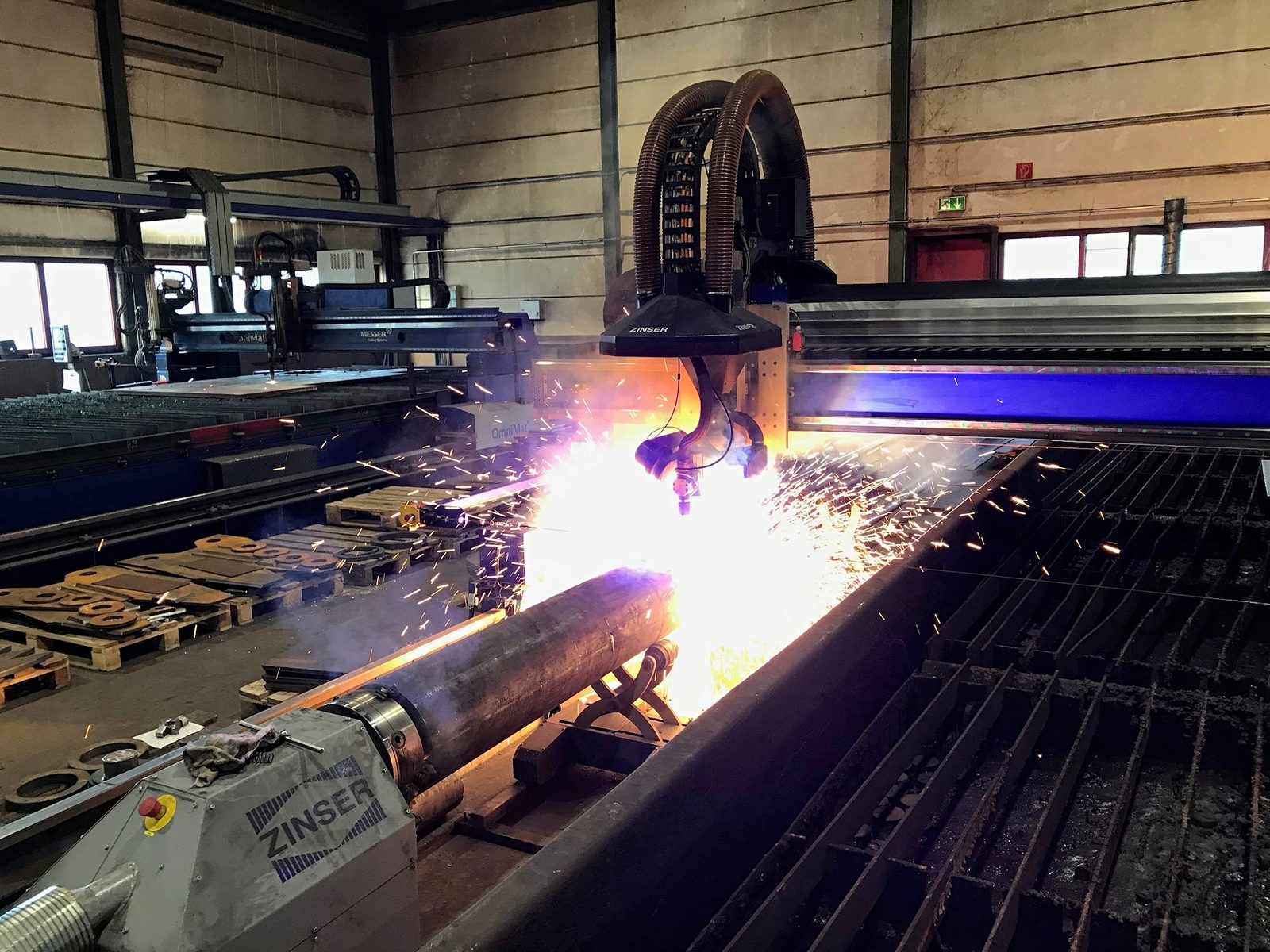
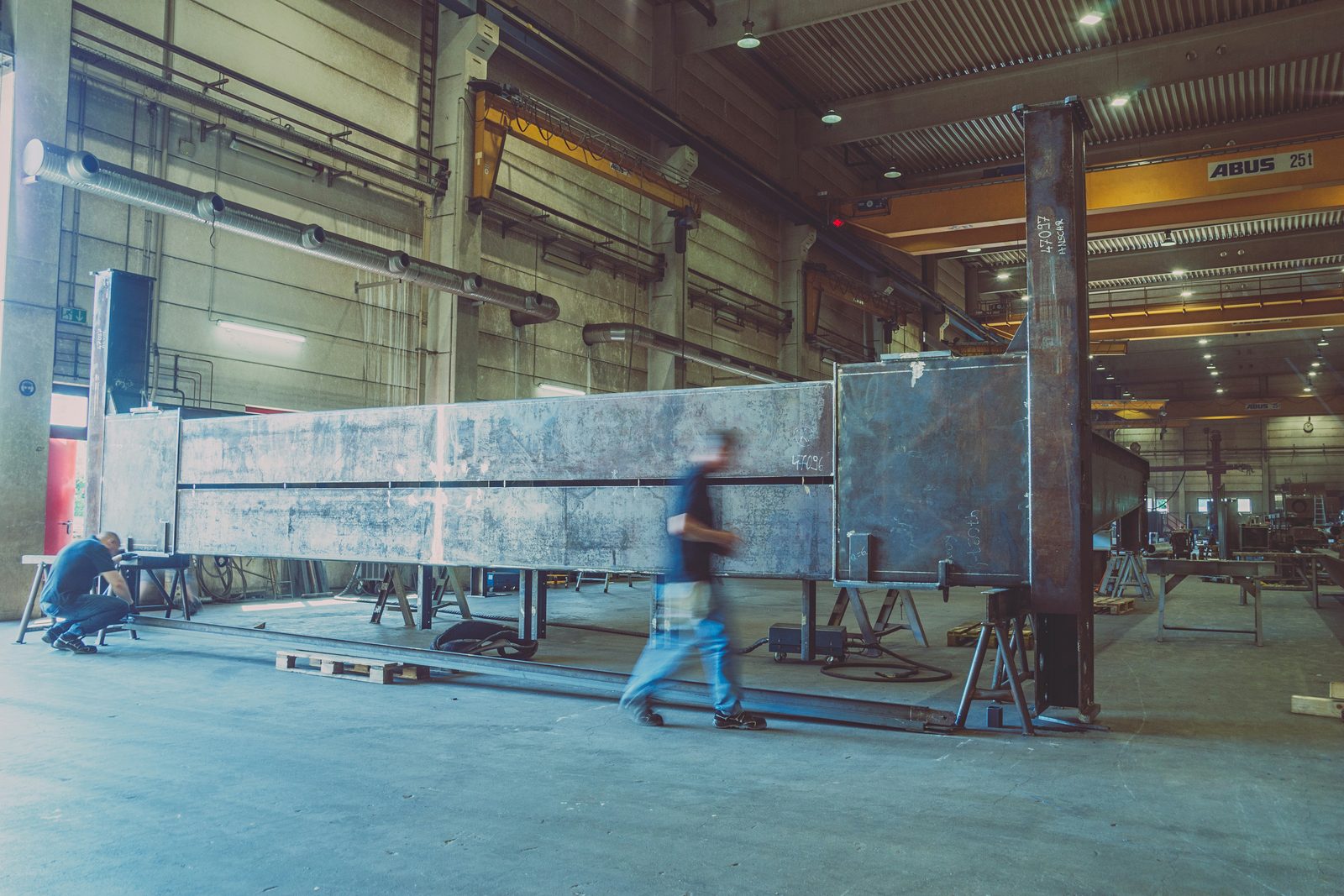
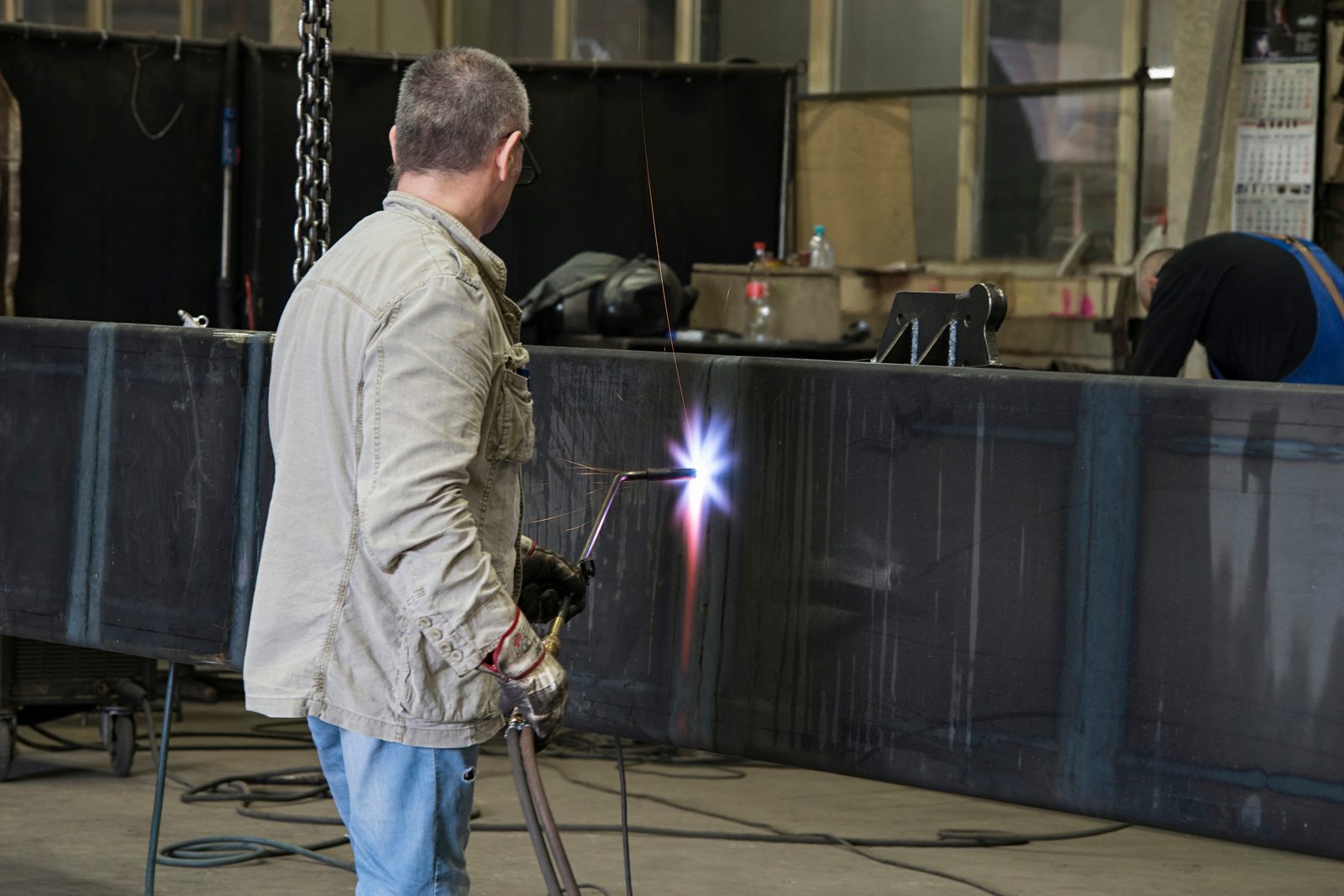
A steel framework being assembled under the overhead crane, a large welded housing, a machine bed on the crane, a weld taking shape, plus the gantry milling machine and the vertical lathe on which the components get their dimensions. This is what the variety described above looks like.
The three trades at a glance
Who is responsible for which step – and how you can recognise it in practice at Bock.
| Trade | What it produces | At Bock in practice |
|---|---|---|
| Welder | Individual parts become a permanently joined, load-bearing component | MAG, TIG and submerged arc up to 1,250 A; assemblies up to 50 t; EXC3 for MAG and SAW, TIG by qualified welders; NDT in-house |
| Konstruktionsmechaniker | Plate and sections become the structure that the welder joins | Cutting, bending, straightening, tacking and aligning – from one-off to small series |
| Zerspanungsmechaniker | The rough part gets the dimension that decides fit and function | Turning up to Ø 4,800 mm, milling up to 26 m in length, large-part machining |
Rule of thumb: the Konstruktionsmechaniker builds up, the welder joins permanently, the machinist brings it to size – often one after the other on the same component. That is why the three do not sit in separate plants here, but in one hall.
Working in a family-owned manufacturing company
Bock has existed since 1963, and the company is still owner-managed today. Around 100 people work here – big enough for serious orders and modern machines, small enough for the paths to stay short and for you to know the person you discuss the next part with. If you have an idea of how a component could run better, you do not have to carry it through five departments.
New colleagues learn alongside people who know the equipment and components. Whether someone arrives from nearby or elsewhere in Europe, practical experience becomes visible in the work, and unfamiliar tasks can be discussed with the team.
Frequently asked questions about working in steel construction at Bock
Can I apply from another European country?
Yes, explicitly. What counts for us is what you can do – the welder qualification test, the work experience, the accurate dimension. Write to us via the contact form or directly via one of the open positions; we will clarify everything else personally in an interview, honestly and without empty promises.
Do I need a work permit for Germany?
That depends on your nationality. Anyone coming from the EU, the EEA or Switzerland can work without a separate work permit thanks to the freedom of movement for workers. Anyone coming from a third country needs a residence permit that allows employment. Which entry and employment requirements apply in your case must be clarified before you start work. The German Federal Government's official portal "Make it in Germany" brings together reliable, free initial information; depending on where you live, the responsible authorities are the Ausländerbehörde (local foreigners' registration office) and the Bundesagentur für Arbeit (Federal Employment Agency). Just tell us where you are coming from – we will go through the process together.
What level of German do I need?
Enough to work safely. A drawing, a welding procedure specification and a word about safety have to get through – in steel construction, a load will later hang on a weld. Nobody expects perfect German on the first day; you do have to be able to make yourself understood. We will talk openly about what level you start with.
Do I need a German apprenticeship qualification?
Not necessarily. Welder is not an apprenticeship trade in Germany – what counts here is the welder qualification test to DIN EN ISO 9606-1. For Konstruktionsmechaniker and Zerspanungsmechaniker, work experience and a recognised qualification count. We will tell you specifically what applies in your case – enquire via the matching vacancy.
Where is Lorch – and how do I get to work?
Lorch is in the Ostalbkreis, in the eastern part of the Stuttgart region. It is easy to reach from Schwäbisch Gmünd, Schorndorf, Aalen, Göppingen and Stuttgart – via the B29 through the Remstal or by the Remsbahn (Rems Valley railway line). Whether the daily commute works for you depends on where you live and the connection to the plant.
Which positions are currently open?
The currently advertised positions are shown in the carousel at the bottom of this page and in the overview on the careers page. The list maintains itself – whatever is shown there really is open. If there is nothing suitable at the moment, we welcome a speculative application.
Work at Bock in pictures
Revisit the workshop images from this article. Select an image to return to its chapter.
Sources and context
- Entry and employment of foreign skilled workers: the requirements must be clarified for each individual case. Employing workers and skilled workers from abroad